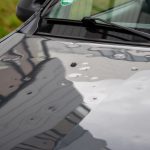
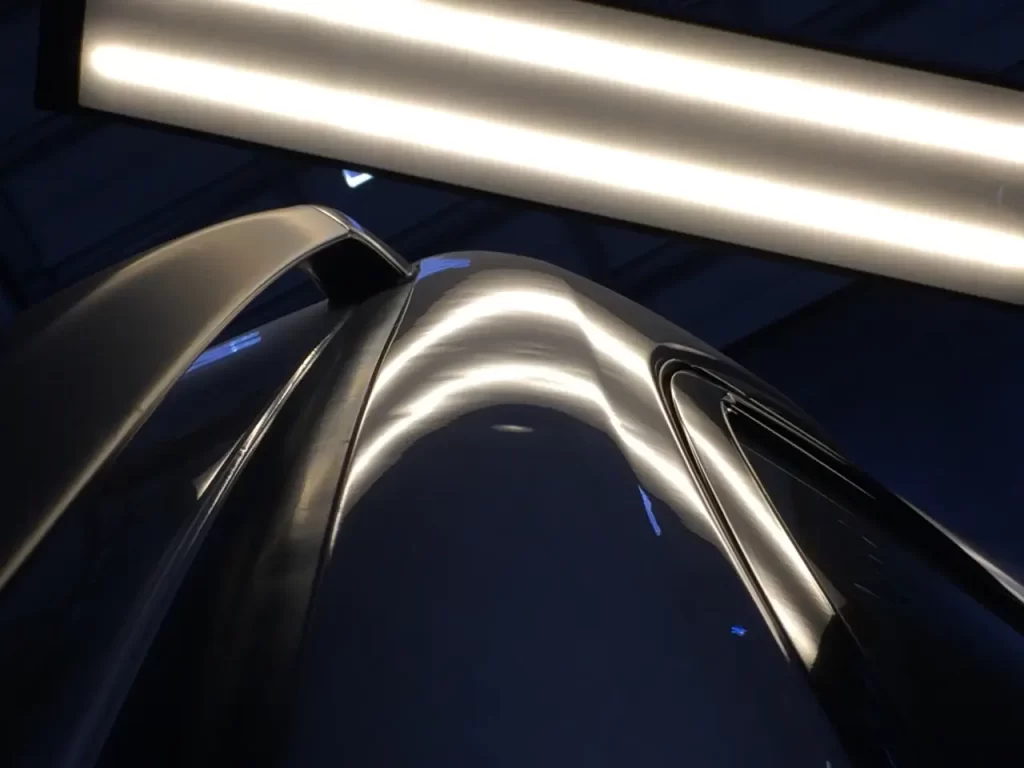

There’s a strange moment after a hailstorm.
The sky clears, the rain fades, and everything feels calm again—but your vehicle tells a different story. Maybe you notice a few dents on the hood. Maybe the roof looks… off. Maybe you’re not even sure what you’re looking for yet.
And that’s usually where the questions start.
Is this serious? Should I file a claim? Do I need to fix it right away?
This guide walks you through exactly what hail damage means, what to do next, and how the repair process actually works—without the confusion or the guesswork.
What Counts as Hail Damage? (It’s More Than Just Dents)
When most people think of hail damage, they picture large, obvious dents. And yes—those are part of it. But a lot of hail damage isn’t immediately visible, especially in certain lighting.
Here’s what you’re really looking for:
- Surface dents: These can range from barely noticeable dimples to larger indentations across the hood, roof, or trunk.
- Micro dents: Small impacts that only show up under angled light or reflection.
- Paint damage: Hail can crack or weaken the clear coat, even if the metal underneath looks fine.
- Aluminum panel damage: Modern vehicles often use aluminum, which reacts differently than steel and can be more difficult to repair.
- Glass damage: Chips or cracks in your windshield and windows—sometimes overlooked until they spread.
- Trim and component damage: Mirrors, lights, moldings, and even sensors can take a hit.
The important takeaway here is simple:
If your vehicle was outside during a hailstorm, there’s a good chance something happened—even if you don’t see it right away.
In fact, many drivers don’t realize the full extent until they learn how to spot it—something we break down further in
👉
how to identify hidden hail damage on your vehicle.
And it’s not just dents—hail can also affect your windshield in ways that aren’t immediately obvious.
👉
Hailstorms don’t just dent—they can chip your windshield too.
What to Do Immediately After a Hailstorm
Right after a storm, it’s easy to feel rushed into making decisions. The better approach is to slow down and take a few simple, smart steps.
1. Make Sure You’re Safe
Before anything else, check your surroundings. Fallen branches, debris, or broken glass can be hazards.
2. Inspect Your Vehicle Carefully
Walk around your vehicle slowly. Look at:
- Hood and roof (most common impact areas)
- Trunk and side panels
- Glass and mirrors
Tip: Look at your vehicle from an angle—reflections make dents easier to spot.
3. Take Photos
Even if you’re not sure about filing a claim yet, take clear photos:
- Wide shots of the vehicle
- Close-ups of damage
- Different lighting angles if possible
4. Check the Windshield
Small chips can turn into large cracks quickly, especially with temperature changes.
5. Avoid DIY Fixes
It’s tempting to try quick fixes you’ve seen online, but many of these can make things worse or complicate professional repair later.
If you want a more detailed breakdown of what to do in those first critical hours, this guide walks you through it step-by-step:
👉
Your 48-hour hail damage action plan
Should You File an Insurance Claim for Hail Damage?
This is one of the most common—and most important—questions.
In many cases, hail damage is covered under comprehensive insurance, not collision. That means:
- It typically doesn’t affect your driving record
- It’s handled differently than accident-related claims
When Filing a Claim Makes Sense
- Damage is widespread (multiple panels)
- Repair costs exceed your deductible
- There’s glass damage involved
- You plan to sell or trade in your vehicle
When You Might Wait
- Damage is extremely minor
- Repair costs are close to your deductible
- You’re unsure and want a professional inspection first
Don’t Forget About Timing
Insurance claims often have time limits, and waiting too long can complicate things. Even if you’re unsure, it’s worth getting an inspection sooner rather than later.
Many drivers don’t realize that waiting too long can create complications.
👉
The quiet insurance deadline most drivers miss
If you’re unsure how your policy works, it helps to understand the basics:
👉
Does insurance cover hail damage?
And if you’re still deciding, this breaks down the pros and cons clearly:
👉
Should you file a claim for hail damage?
How Hail Damage Repair Actually Works
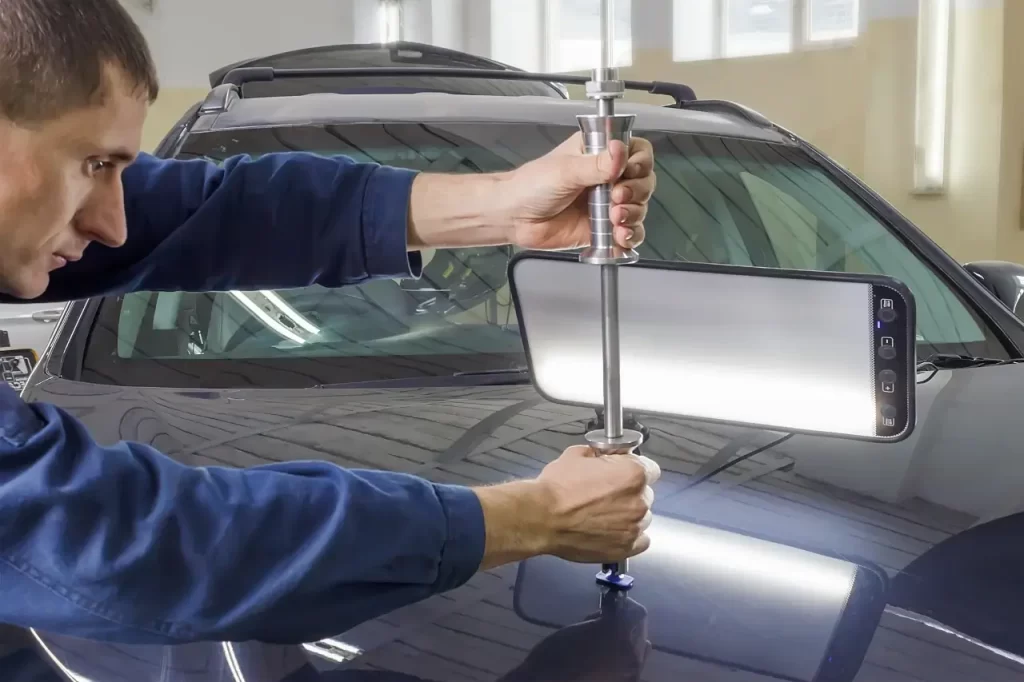
If you’ve never gone through the process before, it can feel a bit mysterious. In reality, it’s fairly structured.
Step 1: Inspection
A technician evaluates the damage:
- Number of dents
- Size and depth
- Panel types (steel vs aluminum)
- Paint condition
Step 2: Estimate
A repair plan is created, often coordinated with your insurance company.
Step 3: Repair Process Begins
This is where the type of repair matters most.
When you’re ready to explore your options, you can start here:
👉
hail damage repair services
Paintless Dent Repair (PDR)
For most hail damage, this is the preferred method.
What it is:
A specialized process where technicians gently reshape the metal from behind the panel without repainting.
Why it’s popular:
- Preserves the original factory paint
- Faster turnaround time
- Typically more cost-effective
- Maintains vehicle value better
PDR works best when:
- The paint isn’t cracked
- The dents aren’t too sharp or deep
- The panel is accessible
👉 Learn more about the process here:
Paintless Dent Repair (PDR)
And if you’re comparing options, this article explains why many drivers choose it:
👉
Why PDR is often the best choice for hail damage
Traditional Body Repair
Sometimes PDR isn’t enough.
This usually happens when:
- Paint is damaged
- Dents are too deep
- Panels are stretched beyond repair
In those cases, repair may involve:
- Filling and sanding
- Repainting
- Panel replacement
Aluminum Repair Considerations
Many modern vehicles use aluminum panels, especially on hoods and roofs.
These require:
- Specialized tools
- Experienced technicians
- Different repair techniques than steel
Not every shop handles aluminum well—this is one area where experience really matters.
Modern vehicles require specialized handling.
👉
Learn more about aluminum repair
How Much Does Hail Damage Repair Cost?
There’s no single answer here—and that’s not a cop-out. Hail damage varies widely.
What Affects Cost:
- Number of dents
- Size and severity
- Number of panels affected
- Vehicle make and model
- Material (steel vs aluminum)
Insurance vs Out-of-Pocket
- If you file a claim: you typically pay your deductible
- If not: full cost depends on damage extent
Why Cheap Fixes Can Backfire
Cutting corners can lead to:
- Paint mismatches
- Visible imperfections
- Lower resale value later
In many cases, doing it right the first time saves more in the long run.
What you don’t want is to underestimate the long-term impact.
👉
The hidden cost of skipping hail repairs
And more broadly:
👉
The long-term cost of ignoring hail damage
What Happens If You Ignore Hail Damage?
It’s easy to think, “It’s just cosmetic—I’ll deal with it later.”
But here’s what can happen over time:
- Reduced resale value: Even minor dents show up during trade-ins or inspections
- Paint deterioration: Small cracks in the clear coat can lead to peeling
- Insurance complications: Future claims may be affected if damage is already documented
- Hidden issues worsen: Especially with glass or structural components
Ignoring it doesn’t make it go away—it just delays the impact.
How Hail Damage Affects Modern Vehicles
Vehicles today are more advanced than ever—and that changes how damage is evaluated.
Sensors and Safety Systems
Many vehicles have:
- Lane assist sensors
- Backup cameras
- Radar systems
Damage near these areas can affect calibration or performance.
Roof Damage Matters More Than You Think
The roof often takes the most direct hits, and it can impact:
- Structural integrity (in severe cases)
- Sensor placement
- Overall vehicle safety systems
This is one reason thorough inspections matter—even when damage seems minor.
Why Timing Matters More Than Most Drivers Think
After a storm, repair shops get busy. Fast.
Delaying Can Lead To:
- Longer wait times
- Limited scheduling availability
- Slower insurance processing
- Potential cost increases
There’s also the insurance side—some policies require claims within a certain timeframe.
Acting early doesn’t mean committing right away—it just keeps your options open.
Choosing the Right Hail Repair Shop
Not all repair experiences are the same.
Here’s what to look for:
Experience With Hail Damage
Hail repair is a specialty—not every shop handles it regularly.
PDR Expertise
If most damage can be repaired without paint, that’s a major advantage.
Insurance Coordination
A shop that works directly with insurance companies can simplify the process significantly.
Turnaround Time
Ask about timelines—especially during peak storm seasons.
Local vs Chain Shops
Local specialists often provide more focused service and experience with regional weather patterns.
Hail Damage in Texas — Why It’s So Common
If you’re in Texas—especially North Texas—you’re in one of the most hail-prone regions in the country.
Why?
- Frequent storm systems
- Temperature swings
- Atmospheric instability
The Dallas-Fort Worth area, in particular, sits right in what’s often called the “hail belt.”
That means hail damage isn’t rare—it’s something many drivers deal with at some point.
👉 Why North Texas gets hit so hard
👉 Why Texas sees so much hail damage
👉 Are Texas hailstorms getting worse?
If you’re local, getting help nearby can make the process easier:
👉
hail damage repair in McKinney
Can You Prevent Hail Damage? (To Some Extent)
You can’t control the weather—but you can reduce risk.
Practical Tips:
- Park in a garage or covered area when possible
- Pay attention to weather alerts
- Use temporary protection (car covers, padded blankets) if needed
That said, storms can be unpredictable. Prevention helps—but it’s not always possible.
What Should You Do Next?
If your vehicle has been through a hailstorm, the best next step is simple:
Get it looked at.
Not every dent means major repairs—but having a professional inspection gives you clarity:
- What’s actually damaged
- What your options are
- Whether insurance makes sense
- How urgent it is to act
From there, you can make a decision based on real information—not guesswork.
A professional inspection can help you understand the damage, explore your options, and decide what makes the most sense for your situation.
Schedule a Hail Damage InspectionKey Takeaways
- Hail damage isn’t always obvious: Small dents, paint damage, and even glass issues can go unnoticed without a proper inspection.
- Taking action early gives you more options: From insurance claims to scheduling repairs, timing plays a bigger role than most drivers expect.
- Paintless Dent Repair (PDR) is often the best solution: When applicable, it preserves your vehicle’s original finish and maintains long-term value.
- Ignoring hail damage can cost more later: Resale value, paint condition, and insurance complications can all be affected over time.
- A professional inspection removes the guesswork: Knowing the true extent of damage helps you make the right decision for your vehicle.