Find a trusted collision center near you for a professional hail damage inspection and repair estimate. Browse participating locations and contact a facility to get started.

For qualifying hail dents, trained technicians use Paintless Dent Repair (PDR) to reshape damaged panels while preserving the original factory finish whenever possible.

After repairs are completed, the partner collision center reviews the finished work with you so you understand what was repaired and what warranty coverage applies.
US Hail Repair connects Texas drivers with participating collision centers for hail damage inspections, Paintless Dent Repair (PDR), and related storm damage services. Dallas-Fort Worth is a key part of our network. Start with a city page for local facility information or browse the regional network to compare your options.
View participating Dallas collision centers, contact details, and hail repair options.
Explore Dallas hail repairFind a Fort Worth repair partner for hail damage assessments, PDR, and insurance guidance.
Explore Fort Worth hail repairBrowse partner facilities across Dallas-Fort Worth and search nearby options by ZIP code.
Explore DFW locationsOur network also includes Irving, Grapevine, McKinney, DeSoto, Waxahachie, Weatherford, Sherman, Killeen, Laredo, Austin, and other Texas communities. Browse all hail repair locations or read our complete guide to hail damage repair.
Founded in 2014, US Hail Repair is led by owners with over 40 years of combined experience in the PDR industry. Since 2014, the company has built a network of partner collision centers while maintaining a strong focus on paintless dent repair, hail damage assessment and repair quality.
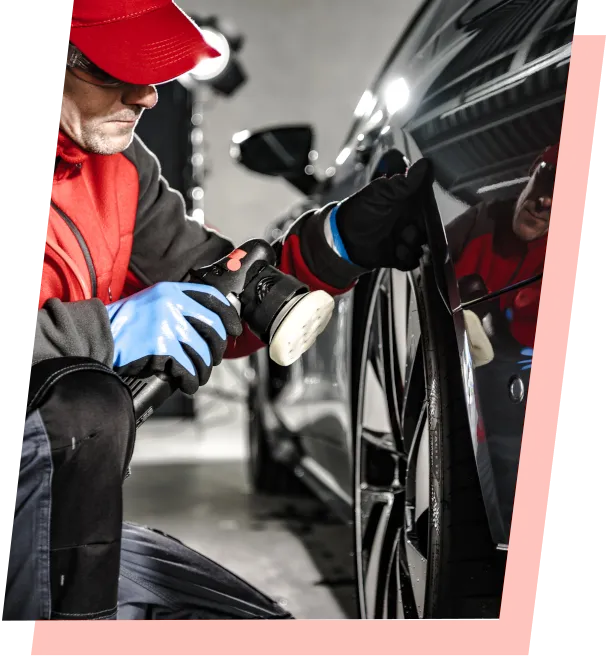
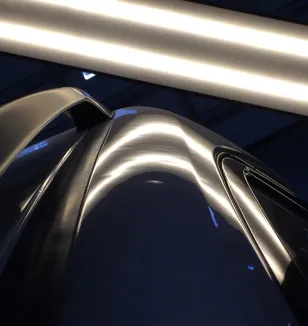
Specializing in restoring vehicles affected by hail, we repair dents and dings caused by storms, bringing your vehicle back to its original condition.
View Service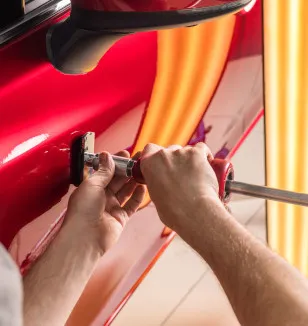
Using PDR techniques, we remove dents without affecting your car’s factory finish, saving you time and preventing the need for costly repainting. Learn more about choosing between PDR and traditional repairs.
View Service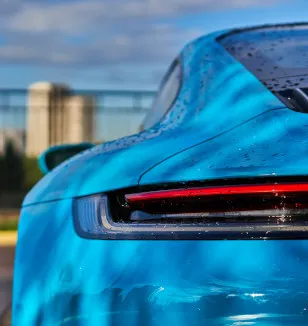
Our technicians are trained in aluminum repair, a delicate process that restores the structure of your vehicle without compromising its integrity.
View Service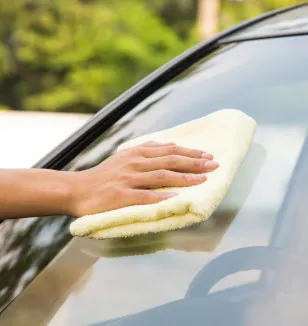
From cracked windshields to shattered windows, we offer fast and reliable automotive glass replacement to ensure your vehicle is safe and roadworthy.
View Service
We work with dealerships and fleets across Texas to provide fast, efficient hail repair, ensuring all vehicles are ready for resale or service.
View Service
US Hail Repair connects hail-damaged vehicle owners with established collision centers in the communities we serve. Our network approach gives drivers access to local repair facilities while US Hail Repair focuses on hail damage, PDR, repair coordination and insurance-process support.
Get answers to the most frequently asked questions about hail damage repair and our PDR services. For a deeper breakdown, read our complete guide to hail damage repair.
Repair time depends on the number, size, and location of the dents, whether the paint is intact, parts availability, and whether additional body or glass work is needed. PDR can often be completed faster than conventional repair when the damage qualifies. Your repair location can give you a better timeline after inspecting the vehicle.
Hail damage is commonly handled under comprehensive auto coverage, but coverage, deductibles, and claim requirements depend on your individual policy. We can help you understand the repair process and documentation. You can also review our hail damage insurance coverage guide.
When a hail dent qualifies for PDR, technicians can reshape the metal without sanding, body filler, or repainting. This helps preserve the original factory finish and can reduce the amount of conventional repair needed. Learn more in our PDR vs. traditional repair guide.
No. Many hail dents can be repaired with PDR when the paint is intact and the panel can be accessed properly. Cracked paint, stretched metal, sharp body-line damage, broken trim, or damaged glass may require conventional repair or additional repair methods.