Home / Resources / PDR vs. Traditional Repair
Paintless Dent Repair and conventional body repair can both be appropriate after a hailstorm. The right choice depends less on a simple “small dent vs. large dent” rule and more on the condition of the paint, how far the metal has stretched, where the damage is located, what the panel is made from, and whether the technician can properly access and reshape the damaged area.
A professional hail inspection should determine the repair method panel by panel. One vehicle can even require more than one approach, with PDR used on some panels and conventional repair, replacement, or glass work used elsewhere.
When the paint is intact and the metal can be restored without conventional refinishing, Paintless Dent Repair can remove hail dents while preserving the existing finish. When the paint is damaged, the metal is excessively stretched, access is limited, or the panel cannot be restored correctly with PDR, conventional repair or replacement may be the better option.
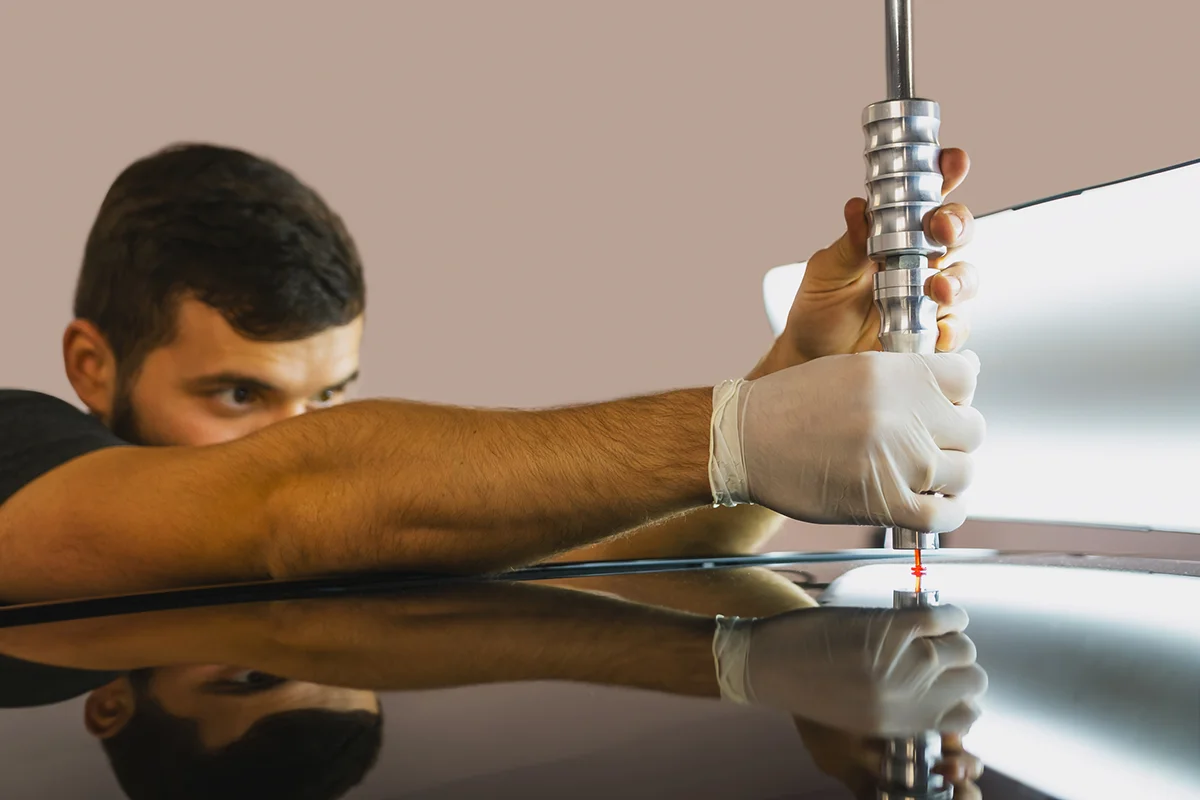
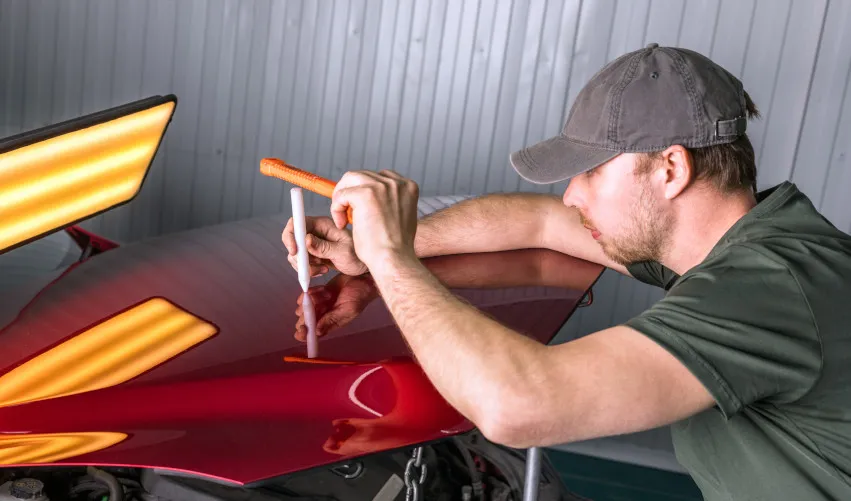
Paintless Dent Repair (PDR) reshapes damaged metal without sanding, body filler, primer, or repainting the repaired dent area. Depending on the panel and damage, a technician may work from behind the panel with specialized tools or use controlled exterior pulling methods.
The goal is to gradually return the metal to its proper contour while preserving the existing finish. For hail damage, that can be especially valuable because a storm may leave dozens or even hundreds of dents across otherwise undamaged factory paint.
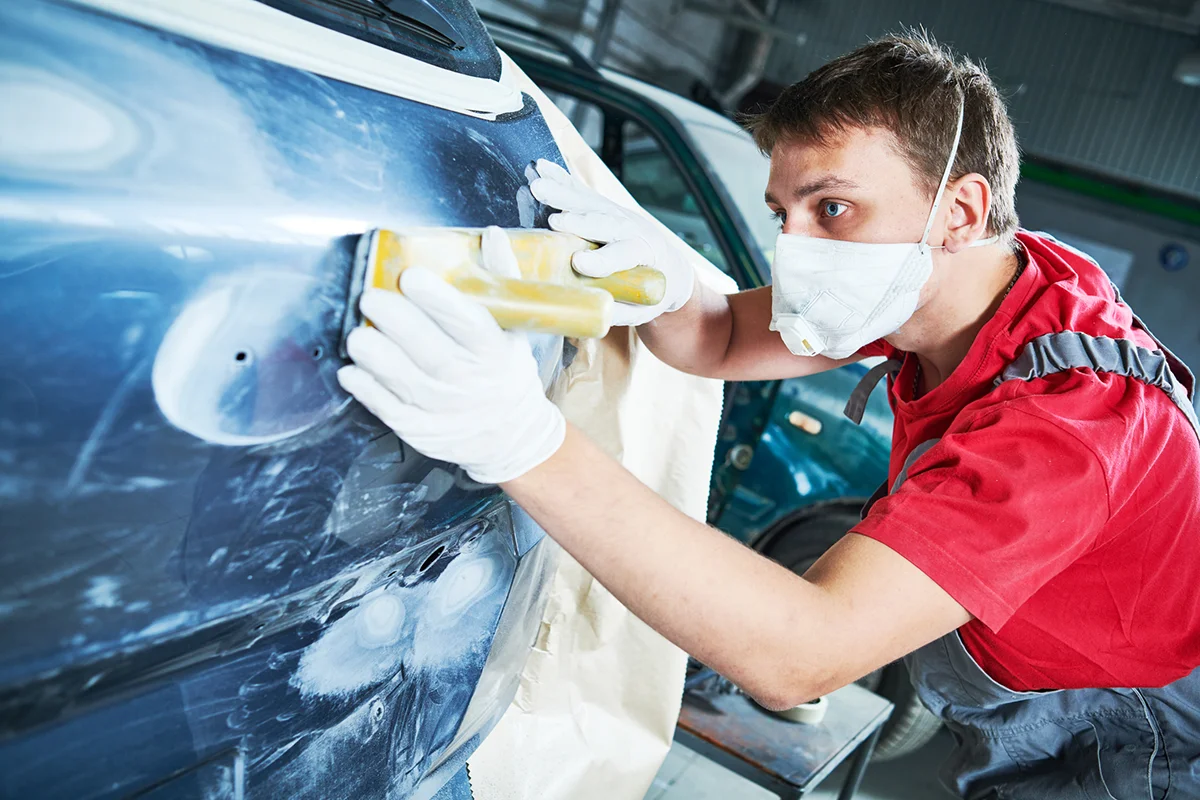
Conventional body repair may involve metal work, filler, sanding, primer, refinishing, or panel replacement. It is not simply the “more severe damage” option. It becomes appropriate whenever the damaged panel cannot be restored properly with PDR alone.
Instead of treating one method as universally better, it is more useful to compare what each method is designed to accomplish.
Best when the panel and paint can be preserved.
Best when the panel needs conventional restoration or refinishing.
A roof or hood may be a good PDR candidate while another panel has cracked paint, a sharp crease, broken trim, or other damage that requires a different approach. The repair plan should follow the actual condition of each panel rather than force the entire vehicle into one repair category.
For vehicles with aluminum body panels, see our aluminum repair information. For a broader explanation of hail repair options, visit our hail damage repair page.
If hail damage is covered by comprehensive insurance, the repair method is part of the overall repair plan. The insurer may prepare an initial estimate, and the repair facility can document additional damage or repair operations that become apparent during a more detailed inspection.
The goal is to determine what is required to restore the vehicle properly, whether that means PDR, conventional repair, replacement parts, glass replacement, or a combination of methods.
For more information about coverage, deductibles, and claim estimates, see Does Insurance Cover Hail Damage in Texas? If you have questions about who chooses the repair facility, see our guide to choosing your own hail repair shop in Texas.
It is sometimes claimed that PDR automatically keeps a repair off CARFAX or another vehicle history report. That is not something the repair method itself can guarantee. Vehicle-history services collect information from many different sources, and reporting practices vary.
The practical advantage of PDR is different: when it is an appropriate repair method, it can preserve the existing paint finish and avoid conventional refinishing on the repaired dent. That is a real repair characteristic and does not depend on whether an outside database receives information about the vehicle.
No. PDR is often a strong option when the factory paint is intact and the dent can be accessed and reshaped properly. Cracked paint, severe stretching, previous repairs, sharp creases, or other damage may require conventional repair or replacement.
When PDR is appropriate, the repair is performed without sanding, body filler, primer, or repainting the repaired dent area. This allows the vehicle to retain its existing finish.
Sometimes. Dent size alone does not determine whether PDR will work. Paint condition, metal stretch, dent depth, location, body lines, panel material, and access all affect repairability.
Not necessarily. Conventional repair may be needed whenever the panel or paint cannot be restored correctly with PDR, even if the overall hail damage is not extensive.
The repair method does not guarantee whether an event or repair will appear in a vehicle history database. Reporting depends on the information sources used by those services.
The repair plan should be based on the condition of the vehicle and the procedures required to restore it properly. A professional inspection is the best way to determine which method is appropriate for each damaged panel.
It is difficult to determine the correct repair method from photos alone. If your vehicle was damaged by hail, a detailed inspection can identify which panels are good candidates for PDR and where another repair method may be necessary.
Learn more about hail damage repair, explore US Hail Repair locations, or review our Texas hail insurance guide.