Home / Resources / Texas Hail Repair & Insurance Guide
After a hailstorm, your insurance company may give you the name of a repair facility, direct you to a preferred network, or ask you to get an estimate at a specific location. That can make it sound as though the insurer is choosing the shop. In Texas, that is not the case.
Texas insurance guidance says you have the right to choose where your vehicle is repaired. An insurance company may recommend a body shop, but you can take your vehicle to the repair facility you prefer. The insurer can still review the repair plan and the amount being charged, so choosing your own shop does not mean that every estimate is automatically approved.
Reviewed August 2026 using current Texas Department of Insurance consumer guidance.
The Texas Department of Insurance says an insurer may provide a list of body shops, but you may take your vehicle to any shop. Texas repair-choice rules also recognize your right to select where the vehicle is repaired and the parts used for repairs. The insurer is not required to pay more than a reasonable amount for covered repairs and parts.

The distinction is important. Your insurance company handles the claim and determines what it believes is covered under your policy. You choose the repair facility that will actually inspect and repair the vehicle.
You are not required to use a particular shop simply because it appears on an insurer's preferred or recommended list.
Your insurer may inspect the damage, prepare an estimate, review the shop's estimate, and determine what it considers a reasonable covered repair amount.
Hail damage is not always fully visible during the first inspection. If additional covered damage or repair requirements are documented, the estimate can be reviewed again.
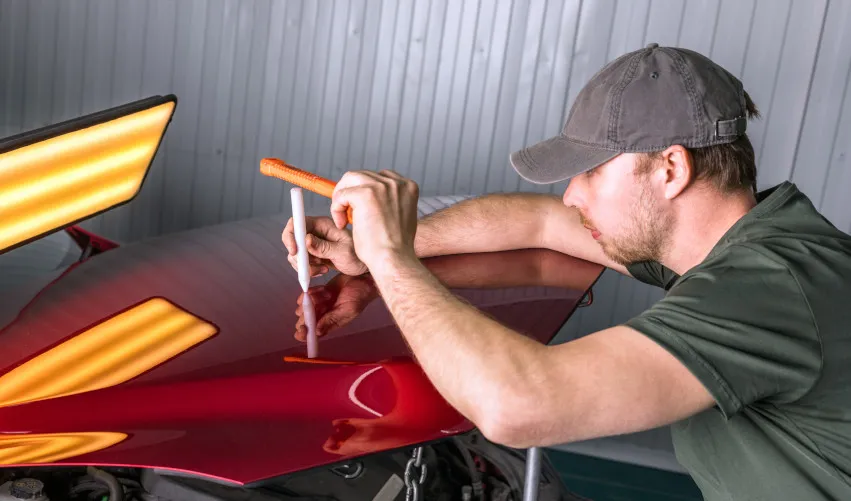
This is one reason it helps to work with a repair facility that understands both hail damage repair and the insurance claim process. A detailed repair assessment can help identify dents, trim damage, cracked glass, aluminum-panel damage, and other issues that may not be obvious in a quick initial inspection.
The goal is not simply to produce a higher estimate. It is to create a repair plan that accurately reflects the condition of the vehicle and documents the work needed to restore it properly.
A preferred shop may be convenient, but preferred status does not automatically mean it is the only appropriate choice. It generally means the repair facility participates in an insurer's network or works within that insurer's repair-program procedures.
| Question | Insurance Preferred Shop | Shop You Choose |
|---|---|---|
| Can the insurer recommend it? | Yes | You can select a different shop |
| Who decides where the vehicle is repaired? | The vehicle owner chooses the repair facility | |
| Can the shop communicate with the insurer? | Usually | Yes, if the shop handles insurance claims |
| Can the estimate be reviewed or supplemented? | Yes | Yes |
| Does choosing a shop guarantee every charge is covered? | No | No |
The most important question is not whether a shop is on a preferred list. It is whether the repair facility can properly evaluate the hail damage, explain the repair plan, document what is needed, communicate with the insurer, and stand behind the completed repair.
If you have comprehensive coverage, hail damage to your own vehicle is generally covered, subject to the terms of your policy and deductible. Texas Department of Insurance guidance recommends filing the claim promptly and documenting the damage.
Take clear photos and video of the vehicle. Photograph the roof, hood, trunk, doors, fenders, trim, moldings, lights, and glass. Hail dents can be difficult to see in flat lighting, so do not assume that the first visible dents represent the full extent of the damage.
Contact your insurer as soon as practical. Ask for your claim number, the adjuster's contact information, your comprehensive deductible, and any instructions for the initial inspection.
The company may send an adjuster, use photos, or direct you to an inspection location. The insurer's first estimate is the company's initial assessment of the covered damage. It is not necessarily the final repair plan.
You can use a recommended shop or select your own. US Hail Repair works through Texas partner locations and focuses specifically on hail damage and Paintless Dent Repair.
The shop can compare the actual repair requirements with the insurer's estimate. This may include the number and severity of dents, panel material, access requirements, removal and installation operations, damaged moldings or trim, and whether automotive glass replacement is necessary.
If the shop identifies additional covered damage or repair operations, it can document those differences for the insurer. The insurer may review photos, documentation, pricing, and the repair plan before approving additional payment.
Once the repair plan is resolved, the vehicle can move into production. Depending on the damage, the appropriate method may be Paintless Dent Repair, conventional body repair, panel replacement, glass replacement, or a combination of methods.
For a broader overview of coverage, deductibles, and claim basics, see our existing guide to hail damage insurance coverage.
A supplement is a request to review additional repair cost after the original insurance estimate has been written. It is common for the repair facility's detailed assessment to uncover items that were not included in the first estimate.
For hail damage, differences can occur because dent counts change after the vehicle is cleaned and inspected under proper lighting, damage is discovered on panels that were difficult to evaluate initially, trim or moldings need to be removed, aluminum panels require different repair procedures, or damaged glass and related components need to be addressed.
Texas Department of Insurance guidance specifically recommends showing the repair shop the insurer's estimate and discussing any differences or additional damage the shop finds. If you disagree with an adjuster's estimate, TDI also recommends sending supporting documents, such as the body shop's estimate, to the insurance company.
A supplement does not automatically mean the insurer will approve every requested item. It gives the repair facility and insurer a process for comparing the original estimate with the documented repair requirements.
For the vehicle owner, the important part is transparency. You should be able to understand what changed from the original estimate, why the additional operation or repair is being requested, and whether the insurer has approved it before work proceeds.
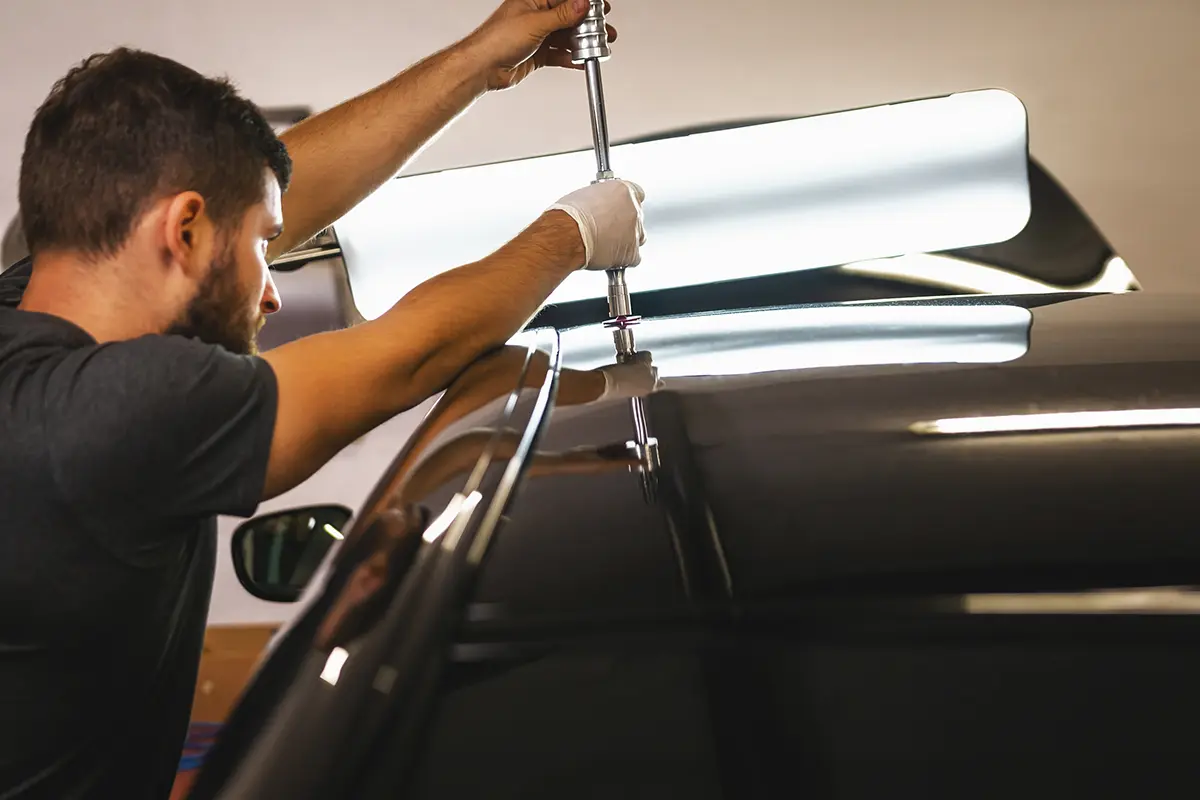
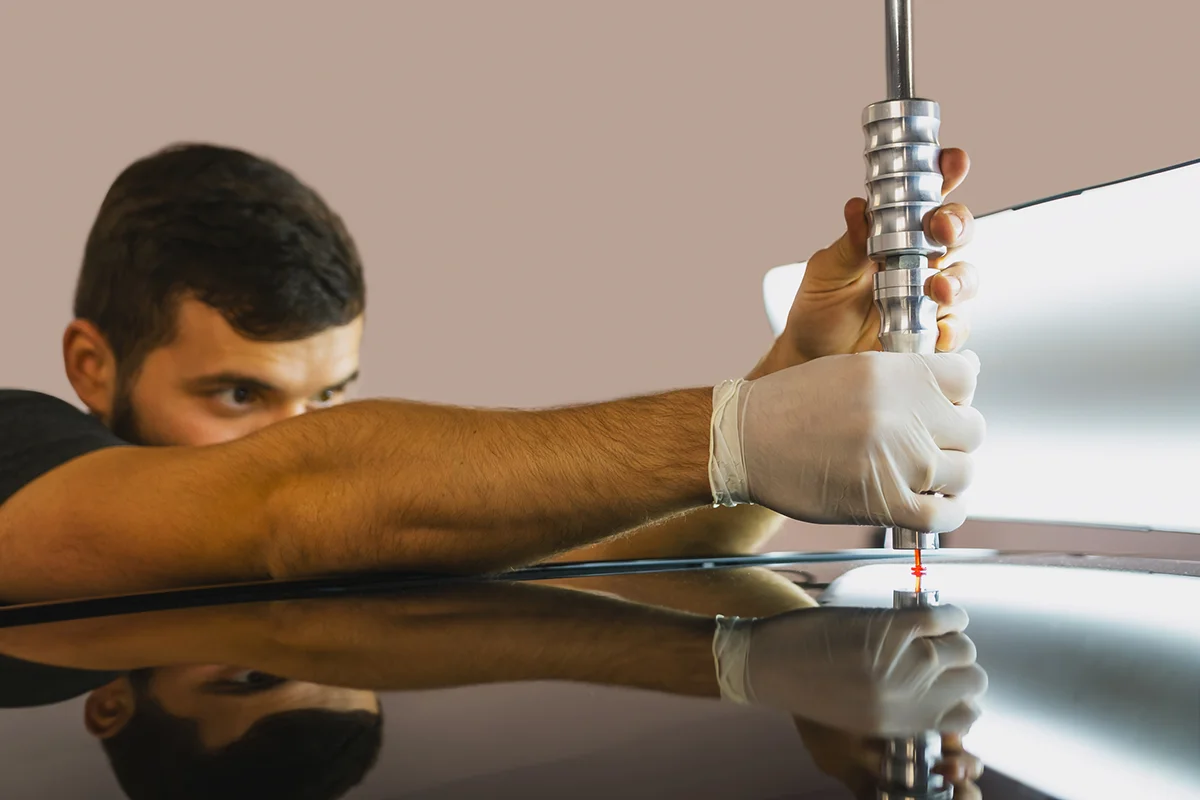
The repair method should be based on the condition of the vehicle and what is appropriate for the damaged panel. For many hail claims, Paintless Dent Repair (PDR) is preferred because it can restore qualifying dents without sanding, body filler, or repainting.
PDR is not appropriate for every dent. Cracked paint, severely stretched metal, sharp creases, inaccessible damage, or a panel that cannot be restored correctly may require conventional repair or replacement. The actual vehicle needs to be inspected before the repair method is finalized.
If you are deciding between repair methods, our PDR vs. traditional body work guide explains the major differences.
Start with documentation. Texas Department of Insurance guidance recommends telling the company why you disagree and sending supporting documents, including the repair facility's estimate. In many cases, the issue can be resolved when the insurer reviews information that was not available during the first inspection.
If the disagreement continues, review the appraisal language and deadlines in your policy. Texas personal automobile policies are required to include an appraisal provision for disputes over the amount of loss. Appraisal is designed to address disagreements about the amount of damage, not disputes about whether the policy covers the loss.
Ask what specific operations, panels, parts, or damage items account for the difference.
Photos, measurements, the shop estimate, and supporting repair information can help the insurer review the claim.
If the amount of loss remains disputed, read the appraisal provision and any deadlines in your policy.
There is no universal answer. The Texas Department of Insurance says home and auto premiums can increase after claims depending on the type of claim and the number of claims filed. Insurers also use claims history when deciding what to charge.
Before filing, it can be useful to confirm your comprehensive deductible and get a realistic idea of the repair cost. If the repair cost is close to or below the deductible, filing a claim may provide little financial benefit. Hail damage can be more extensive than it appears, however, so an inspection can be valuable before assuming the damage is minor.
Yes. Texas insurance guidance states that drivers have the right to choose where their vehicle is repaired. An insurer may recommend shops, but you are not required to use a particular repair facility.
Choosing your own shop does not by itself eliminate coverage. However, an insurer is not required to pay more than a reasonable amount for covered repairs and parts, so differences between estimates may need to be reviewed.
The shop can document the additional damage and repair requirements and provide that information to the insurer for review. This additional request is commonly handled as a supplement to the original estimate.
Comprehensive coverage generally covers hail damage to your own vehicle, subject to the terms of the policy and your deductible. Liability-only coverage does not pay to repair hail damage to your own car.
Start by sending the insurer supporting documentation, such as the repair facility's estimate and photos. If the disagreement continues, review the appraisal provision and deadlines in your policy and consider contacting the Texas Department of Insurance for guidance.
This guide was developed using current consumer guidance from the Texas Department of Insurance. Helpful primary sources include:
This page provides general educational information about the hail repair and insurance claim process. Insurance coverage, deductibles, claim requirements, appraisal rights, and payment decisions depend on the individual policy and circumstances. For questions about your policy or Texas insurance law, contact your insurer, insurance agent, the Texas Department of Insurance, or a qualified legal professional.
US Hail Repair works with drivers and insurance companies through partner repair locations across Texas. If your vehicle was damaged by hail, we can help evaluate the damage, explain the repair options, and work through the estimate process with your insurer.
Start by finding the nearest US Hail Repair location, or learn more about our hail damage repair services and lifetime warranty.