Home / Resources / Insurance Coverage
For many Texas drivers, the first question after a hailstorm is simple: Will my auto insurance pay for the damage? If your policy includes comprehensive coverage, hail damage is generally covered, subject to your deductible and the terms of the policy.
The claim itself is only part of the process. The vehicle still needs to be inspected, the damage needs to be documented, the appropriate repair method needs to be determined, and any differences between the insurance estimate and the actual repair plan may need to be reviewed.
Reviewed August 2026 using current Texas Department of Insurance consumer guidance.
Texas Department of Insurance guidance says comprehensive coverage on an auto policy should pay for hail damage. Liability coverage, by contrast, does not pay to repair hail damage to your own vehicle. Your deductible and policy terms still apply.

Hail is considered a non-collision loss. That means the relevant coverage is usually comprehensive coverage, sometimes called “other than collision” coverage. Comprehensive coverage can also apply to events such as theft, fire, flooding, falling objects, and certain types of weather damage.
Generally covers hail damage to your vehicle, subject to the deductible, policy terms, and the insurer's evaluation of the loss.
Pays for injuries or property damage you cause to others. It does not pay to repair hail damage to your own vehicle.
The deductible is the portion of a covered claim you are responsible for. Check the declarations page of your policy or ask your insurer what deductible applies.
“Full coverage” is an informal term and can mean different things to different people. If hail protection matters to you, the important question is whether your policy specifically includes comprehensive coverage.
The Texas Department of Insurance recommends filing a claim as soon as possible after hail or wind damage. Before or shortly after contacting the insurer, take clear photos and video of the vehicle from multiple angles.
Photograph the roof, hood, deck lid, doors, fenders, lights, moldings, trim, and glass. Hail dents can disappear visually depending on the lighting and viewing angle, so the damage seen in a driveway photo may not represent the complete repair picture.
It is also useful to confirm your comprehensive deductible. If the repair cost is near or below the deductible, the insurance payment may be limited or there may be no payment at all. An initial hail inspection can help you make a more informed decision.
The exact process varies by insurer, but most hail claims follow the same general path.
Texas Department of Insurance guidance tells consumers to show the repair shop the insurer's estimate and discuss differences or additional damage the shop identifies. If the estimate appears too low, supporting documentation such as the repair facility's estimate can be sent to the insurer for review.
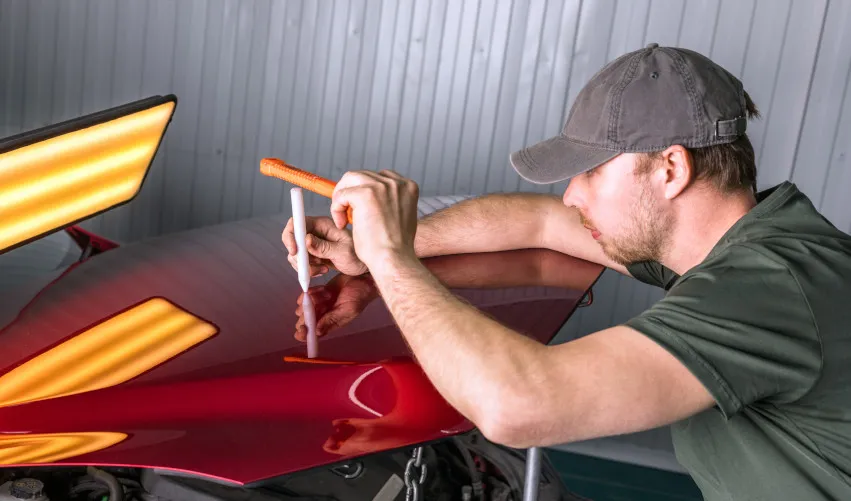
For qualifying hail damage, Paintless Dent Repair (PDR) can restore the shape of the metal without sanding, body filler, or repainting. It is commonly considered when the factory paint is intact and the panel can be accessed and reshaped properly.
PDR is not the correct repair method for every hail-damaged panel. Cracked paint, severely stretched metal, sharp creases, damaged glass, inaccessible dents, previous repairs, and the material or construction of the panel can change the repair plan.
That is why a professional hail damage inspection matters. The repair method should be based on the actual vehicle rather than a blanket assumption that every hail dent can be repaired the same way.
For a more detailed comparison, see our PDR vs. traditional body work guide.
No. Texas drivers have the right to choose where their vehicle is repaired. An insurance company may recommend a repair facility or provide a list of participating shops, but you may select another shop.
The insurer is still allowed to evaluate the repair amount and is not required to pay more than a reasonable amount for covered repairs and parts. That makes documentation important when the repair facility and insurer do not initially agree on the repair plan or price.
You decide where the vehicle is repaired. Preferred-network status does not take that choice away from you.
The insurer determines coverage and reviews the amount it believes is reasonable for covered repairs under the policy.
We created a separate Texas guide that goes deeper into repair-shop choice, estimates, supplements, and disagreements with the initial insurance estimate: Can You Choose Your Own Hail Repair Shop in Texas?
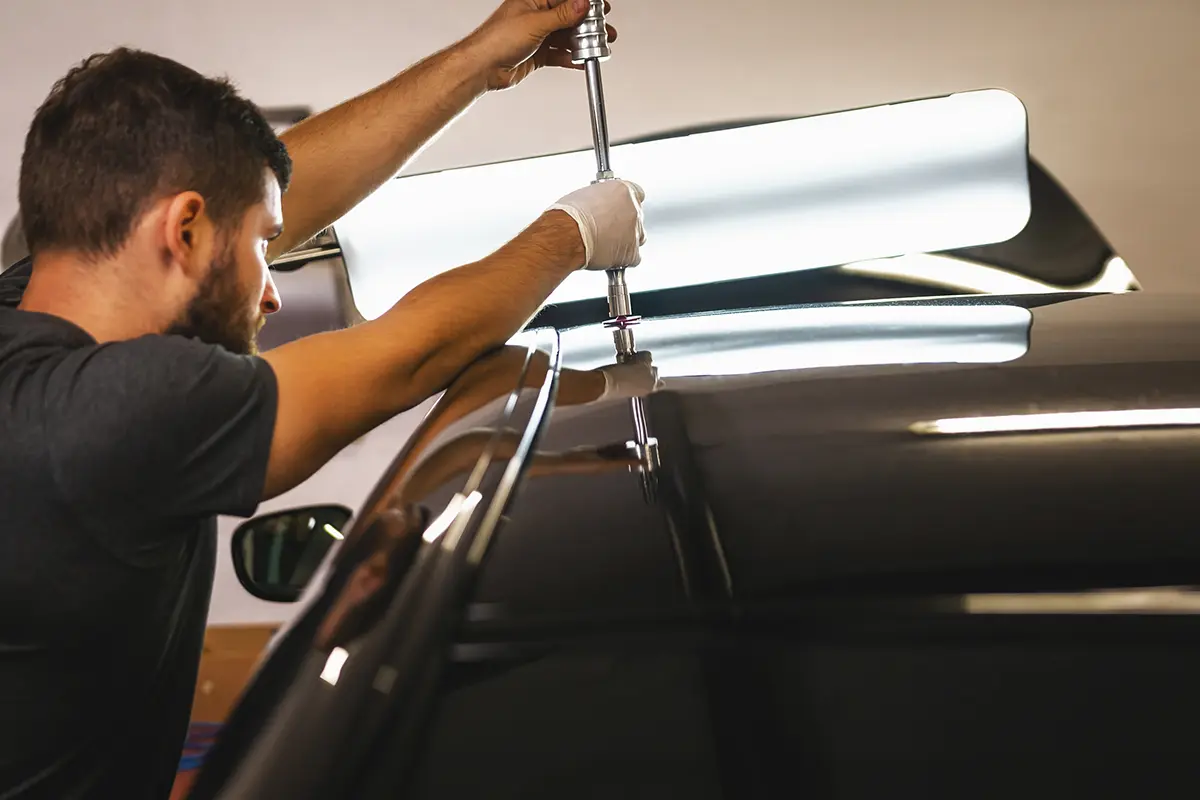
This can happen with hail claims. The first estimate is based on the information available during the insurer's initial evaluation. A repair facility may later identify additional dents, damaged trim or glass, required removal and installation operations, panel-material considerations, or other repair needs.
The shop can document those differences and submit the information to the insurer for review. This is often referred to in the repair industry as a supplement.
A supplement is not an automatic approval of every additional charge. It is the process used to show the insurer what was omitted or changed and give the company an opportunity to review the updated repair requirements.
It can. The Texas Department of Insurance says premium changes can depend on the type of claim and how many claims you file. There is no universal rule that a hail claim will or will not affect your premium.
Do not rely on a generic six-month or one-year deadline. TDI recommends filing promptly, and your policy may contain notice requirements or other deadlines. Check the policy and contact your insurer as soon as practical.
The insurer compares repair cost with vehicle value and may decide the vehicle is a total loss when repairs approach or exceed that value. Ask what valuation source and vehicle information were used if you have questions about the amount.
Hailstorms rarely affect just one neighborhood. US Hail Repair maintains a broad Texas presence so drivers can find experienced hail repair support in communities across the state.
Our focus is on helping vehicle owners move from damage assessment to the right repair plan with clear information about insurance, Paintless Dent Repair, conventional repair options, and the steps involved in restoring a hail-damaged vehicle.
Use our location directory to find hail repair support near you, or learn more about our hail damage repair services.
Comprehensive auto coverage generally covers hail damage to your vehicle, subject to the terms of your policy and your deductible. Liability coverage does not pay to repair hail damage to your own vehicle.
No. Texas drivers have the right to choose where their vehicle is repaired. An insurer may recommend repair facilities, but you may select another shop.
The repair facility can document additional damage or repair operations and provide that information to the insurer for review. The insurer may revise its estimate if new information shows that something was overlooked.
The Texas Department of Insurance recommends filing a claim as soon as possible. Your policy may contain notice requirements or other deadlines, so review the policy and contact your insurer promptly.
It can. TDI says premium changes depend on factors such as the type and number of claims. There is no universal rule that a hail claim will or will not change your rate.
The insurer compares the cost to repair the vehicle with its value and may declare it a total loss when repair costs approach or exceed that value. You can ask the insurer how it determined the vehicle's value.
This resource was developed using current consumer guidance from the Texas Department of Insurance. Useful primary sources include:
This page provides general educational information and is not legal or insurance advice. Coverage, deductibles, claim requirements, valuation, appraisal rights, and payment decisions depend on the individual policy and circumstances. For questions about a specific policy or Texas insurance law, contact the insurer, insurance agent, Texas Department of Insurance, or a qualified legal professional.
If your vehicle was damaged by hail, US Hail Repair can help you find nearby repair support, understand your options, and take the next step toward getting the damage properly evaluated.
Browse US Hail Repair locations, learn about hail damage repair, or review your Texas repair-shop rights.