


Key Takeaways
- Spring and early summer are some of the most active periods for hail in Texas, especially when warm Gulf moisture collides with cooler, drier air.
- Texas consistently ranks among the top states for major hail events, making vehicle hail damage a recurring risk for drivers across the state.
- Hail damage is not always just cosmetic. Dents, chipped paint, cracked glass, and windshield damage can affect appearance, safety, and resale value.
- Paintless Dent Repair (PDR) is often a preferred repair method for hail damage when the vehicle’s paint has not been cracked or broken.
- After a hailstorm, drivers should inspect their vehicle, take photos, check the glass, document the storm date, and schedule a professional hail damage inspection.
- US Hail Repair helps connect Texas drivers with trusted partner locations for hail damage repair, PDR, auto glass services, and insurance coordination.
If you live in Texas long enough, you learn one thing quickly: the weather does not ask permission.
A sunny afternoon can turn into a sky full of dark clouds before you finish running errands. One minute your vehicle is sitting peacefully in a parking lot. The next, hail is bouncing off the hood, roof, windshield, and trunk like someone dumped a bucket of ice from the sky.
That is Texas weather roulette.
For drivers across the Lone Star State, hail is not just a seasonal annoyance. It is one of the most common causes of vehicle damage, especially during spring and summer. From small dents and dings to cracked windshields and major body damage, hailstorms can leave behind expensive problems in a matter of minutes.
Understanding why Texas gets so much hail, when the risk is highest, and what to do after a storm can help you protect your vehicle and make smarter repair decisions.
Why Does Texas Get So Much Hail?
Texas sits in one of the most active severe weather regions in the country. The state is large, warm, humid, windy, and frequently caught between competing air masses.
That combination matters.
Warm, moist air from the Gulf of Mexico often moves north into Texas. At the same time, cooler and drier air can push in from the west or north. When these air masses collide, the atmosphere can become unstable. Add strong winds at different levels of the atmosphere, and you have the ingredients for powerful thunderstorms.
Those storms can produce heavy rain, high winds, lightning, tornadoes, and, of course, hail.
According to NOAA’s National Severe Storms Laboratory, hail forms when thunderstorm updrafts carry water droplets high into very cold parts of the atmosphere. Those droplets freeze, collect more moisture, and grow until the storm’s updraft can no longer hold them up. Once gravity wins, the hailstones fall to the ground.
The stronger the storm’s updraft, the larger the hail can become. That is why severe thunderstorms and supercells are especially concerning. NOAA explains that supercell thunderstorms can have sustained, rotating updrafts, which allow hailstones more time to grow before falling.
For vehicle owners, that can mean the difference between a few small dents and hundreds of visible impacts across the hood, roof, trunk, and side panels.
When Is Hail Season in Texas?
Hail can happen in Texas during many parts of the year, but spring and early summer are especially active.
The highest-risk window is typically March through June, although storms can still happen outside that range. Spring brings the classic clash of warm, humid air and lingering cool air. Summer adds intense heat, which can fuel fast-developing afternoon and evening thunderstorms.
That is part of what makes Texas hail so frustrating. Many storms form quickly. A driver may leave the house under clear skies and still end up in a severe thunderstorm later that day.
Spring: The Peak of Severe Storm Activity
Spring is often the most dangerous season for hail because the atmosphere is highly unstable.
Warm air rises quickly. Cold air may still be present above the surface. Moisture feeds storm development. Wind shear can help storms organize and strengthen.
That combination can create severe thunderstorms capable of producing large hail, damaging winds, and tornadoes. NOAA’s Storm Events Database includes Texas hail reports from April 2023 where storms developed near a dryline and warm front, with some Central Texas storms producing large hail up to 3 inches.
For vehicle owners, spring hailstorms can be especially costly because they often occur during the day or early evening, when vehicles are parked at work, school, shopping centers, dealerships, or outside at home.
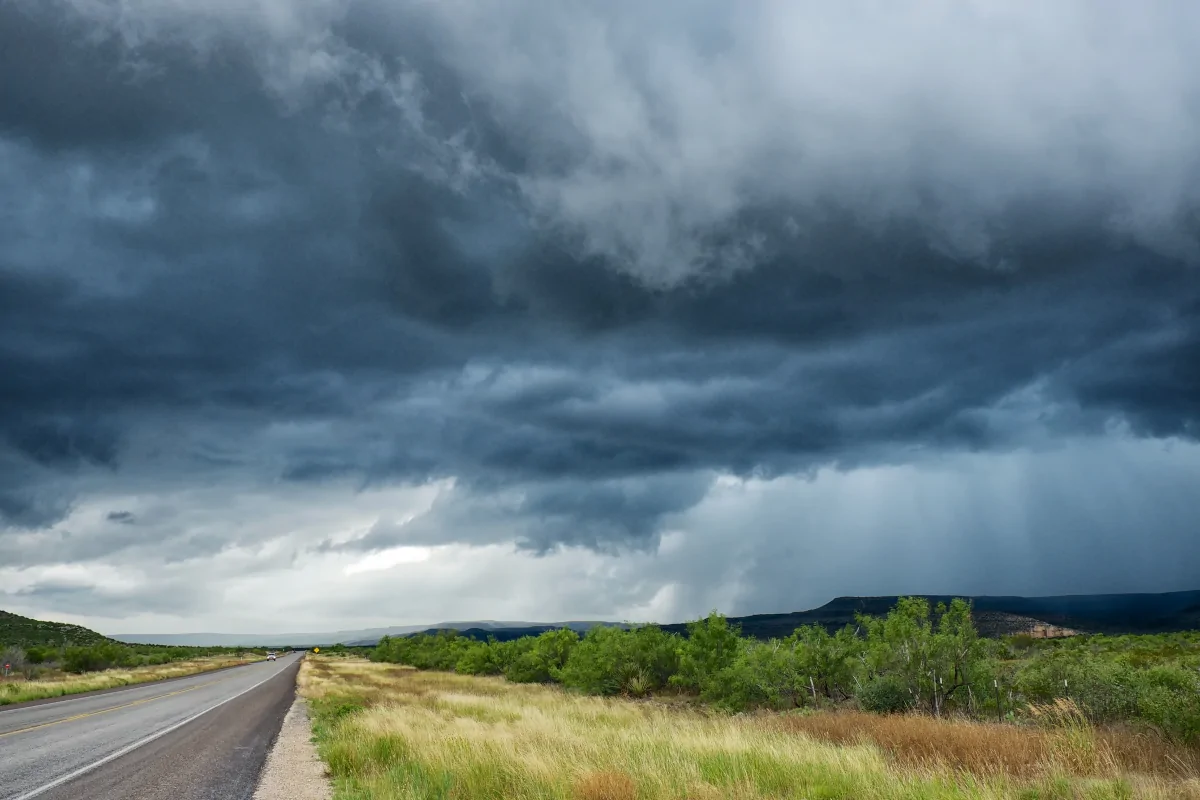
Summer: Sudden Storms and Exposed Vehicles
Summer storms can be different.
There may be fewer widespread storm systems compared to spring, but Texas summer heat can still produce strong, fast-moving thunderstorms. These storms may develop during the afternoon or evening after temperatures have climbed throughout the day.
That timing is a problem for drivers. Vehicles are often exposed in driveways, open parking lots, dealership lots, apartment complexes, and workplace parking areas.
Summer heat can also make existing damage worse. A small windshield chip from hail may spread into a larger crack as glass expands and contracts under high temperatures. Dents that seem minor at first can also become more noticeable once the vehicle is cleaned and inspected in better lighting.
Texas Continues to Lead in Hail Activity
Texas is consistently one of the top states for hail activity.
The Insurance Information Institute reported that NOAA’s Storm Prediction Center recorded 5,432 hail events nationwide in 2025, and Texas ranked number one for major hail events with 902 reports of hailstones one inch in diameter or larger.
That matters because one-inch hail is not harmless. NOAA considers quarter-size hail, which is about one inch in diameter, to be severe. Hail around that size can dent vehicles, damage trim, chip paint, and crack glass depending on wind speed, storm intensity, and where the vehicle is parked.
And when hail gets larger, the damage can become much more serious.
NOAA estimates that hailstones between 1 and 1.75 inches may fall at 25 to 40 mph, while larger hailstones in strong supercells can fall much faster. Very large hailstones may even exceed 100 mph in some cases.
In other words, hail is not just frozen rain. It can strike a vehicle with real force.
What Hail Can Do to Your Vehicle
Hail damage is often dismissed as cosmetic, but that is not always accurate.
Yes, many hail dents affect the appearance of a vehicle. But hail can also cause problems that go beyond looks.
Common types of hail damage include:
- Dents on the hood, roof, trunk, and quarter panels
- Cracked or chipped windshields
- Broken side mirrors
- Damaged moldings or trim
- Paint chips
- Damage around sunroofs
- Dents near body lines or edges
- Reduced resale or trade-in value
Even small dents can matter when there are dozens or hundreds of them. A vehicle with visible hail damage may be worth less when traded in or sold. If paint has been chipped, exposed metal may also increase the risk of rust over time.
Windshield damage should be taken seriously as well. A small chip can spread, especially when exposed to heat, road vibration, or sudden temperature changes. What starts as a small repair may become a full windshield replacement if ignored.
Can Hail Damage Be Repaired with Paintless Dent Repair?
In many cases, yes.
Paintless Dent Repair, often called PDR, is one of the most effective ways to repair hail damage when the paint has not been cracked or broken. Instead of sanding, filling, and repainting the damaged area, trained technicians carefully massage the metal back into shape from behind the panel.
PDR is often preferred for hail damage because it can help preserve the original factory paint finish. It can also be a cleaner and more efficient repair method when the damage qualifies.
However, not every dent is a perfect candidate for PDR. The repair method depends on several factors, including:
- The size of the dents
- The depth of the dents
- Whether the paint is damaged
- The location of the dents
- Whether the damage is on a body line or edge
- Access behind the damaged panel
That is why it is important to have the vehicle inspected after a hailstorm. What looks minor at first may involve more damage than expected, especially on the roof, hood, and upper panels.
Why You Should Not Wait Too Long After a Hailstorm
After a storm, it is tempting to put off repairs. If the vehicle still drives normally, hail damage may not feel urgent.
But waiting can create problems.
First, insurance claims are usually tied to a specific storm date. If multiple storms happen over time, it may become harder to document which damage came from which event. Second, small windshield chips can spread. Third, hail repair shops can become very busy after major storms, especially in heavily affected areas.
It is also easier to document damage when you act quickly. Photos, storm dates, and a professional inspection can all help create a clearer repair path.
What to Do After a Texas Hailstorm
If your vehicle was exposed during a hailstorm, take a few simple steps before assuming everything is fine.
1. Check the vehicle in good lighting
Look over the hood, roof, trunk, fenders, doors, mirrors, and glass. Hail dents are often easier to see when light reflects across the surface at an angle.
2. Take photos
Document visible dents, chipped paint, cracked glass, and any storm debris. If possible, take photos the same day.
3. Check the windshield carefully
Look for small chips, stars, cracks, or impact marks. Even small glass damage should be addressed quickly.
4. Contact your insurance company if needed
If the damage appears significant, contact your insurer and ask about your coverage, deductible, and next steps.
5. Schedule a professional inspection
A trained hail repair technician can identify damage that may be easy to miss, especially on roofs, rails, and curved panels.
6. Ask about Paintless Dent Repair
If the paint is intact, PDR may be the best repair option.
How to Reduce the Risk of Hail Damage
You cannot control Texas weather, but you can reduce your exposure.
When severe weather is possible, try to:
- Park in a garage or carport
- Use covered parking when available
- Avoid parking under weak trees or power lines
- Sign up for weather alerts
- Move vehicles before storms arrive when it is safe
- Keep a padded hail cover available if covered parking is not an option
- Avoid driving into severe storms
A few minutes of preparation can prevent thousands of dollars in damage.
Where US Hail Repair Fits In
When hail hits, vehicle owners need more than a quick estimate. They need a repair process that is organized, professional, and built around hail damage specifically.
US Hail Repair works through a network of trusted partner locations across Texas, helping drivers access professional hail repair services after severe storms. Whether the damage involves minor dents, widespread hail impacts, or auto glass concerns, the goal is to help customers get connected with the right repair solution quickly.
Services may include:
- Paintless Dent Repair
- Hail damage inspection
- Auto glass repair or replacement
- Insurance coordination
- Dealership and fleet hail repair support
For drivers in areas such as Austin, Weatherford, Irving, Sherman, Fort Worth, Dallas, and surrounding Texas communities, US Hail Repair helps make the post-storm process easier.
Texas Hail Is Not a Maybe. It Is a Matter of When.
Texas weather has a way of keeping drivers guessing. Spring and summer can bring beautiful driving weather one day and damaging hail the next.
The best approach is to stay prepared, pay attention to weather alerts, inspect your vehicle after storms, and avoid waiting too long if damage appears.
Hail damage may start as a few small dents, but it can affect your vehicle’s appearance, value, glass, and long-term condition. With the right repair team and a timely inspection, many vehicles can be restored without unnecessary stress.
Texas weather may be unpredictable, but your repair plan does not have to be.
FAQ: Texas Hail Damage and Vehicle Repair
When is hail season in Texas?
Hail can happen in Texas during different times of the year, but spring and early summer are usually the most active periods. March through June is often the highest-risk window.
Why does Texas get so much hail?
Texas often sees warm, humid Gulf air collide with cooler, drier air from other regions. This can create unstable conditions that produce severe thunderstorms and hail.
Can small hail damage a vehicle?
Yes. Even hail around one inch in diameter can dent panels, chip paint, and damage glass, especially when accompanied by strong winds.
Is Paintless Dent Repair good for hail damage?
Paintless Dent Repair is often a great option when the vehicle’s paint has not been cracked or broken. A professional inspection is needed to confirm whether the damage qualifies.
Should I repair hail damage before selling my vehicle?
In most cases, yes. Visible hail damage can reduce trade-in or resale value. Repairing the damage may help the vehicle look better and preserve more of its value.
What should I do first after a hailstorm?
Inspect the vehicle, take photos, check the glass, note the storm date, and schedule a professional hail damage inspection.
Your vehicle deserves the same protection as your home. Don’t gamble with Texas weather—be prepared, be alert, and know where to go after the storm.