


Key Takeaways
- Summer can damage your vehicle in more ways than sun exposure, including windshield cracks, tire pressure changes, battery strain, interior fading, and hail damage.
- Extreme heat and sudden temperature changes can cause small windshield chips to spread, making quick glass repair important during summer months.
- UV rays can fade paint, weaken clear coat, and dry out interior materials, especially when vehicles are parked outside for long periods.
- Hot weather can affect tire pressure and battery performance, so regular summer maintenance is important before long drives or road trips.
- Summer storms can bring sudden hail damage, but Paintless Dent Repair may be an effective option when the vehicle’s paint is still intact.
- After a hailstorm, drivers should inspect their vehicle, take photos, check the glass, document the storm date, and schedule a professional inspection.
Summer has a way of making drivers think about road trips, vacations, weekend getaways, and long sunny days. But while the season may be great for travel, it can be tough on your vehicle.
Most people know the obvious summer problems. The cabin gets hot. The air conditioning works harder. The paint may fade over time. But summer damage goes well beyond a hot steering wheel and a sunbaked dashboard.
Extreme heat, UV exposure, sudden temperature changes, dry roads, flying debris, and fast-moving storms can all take a toll on your vehicle. In Texas especially, summer can bring a strange combination of intense sunlight one day and severe hail the next.
That means your vehicle is not just fighting the sun. It is dealing with heat, glass stress, tire pressure changes, battery strain, interior wear, paint damage, and weather-related dents.
Here are some of the most surprising ways summer can damage your vehicle, along with a few practical steps to help protect it.
1. UV Rays Can Fade and Weaken Your Vehicle’s Finish
Your vehicle’s paint does more than make it look good. The finish also helps protect the body from moisture, oxidation, and long-term wear.
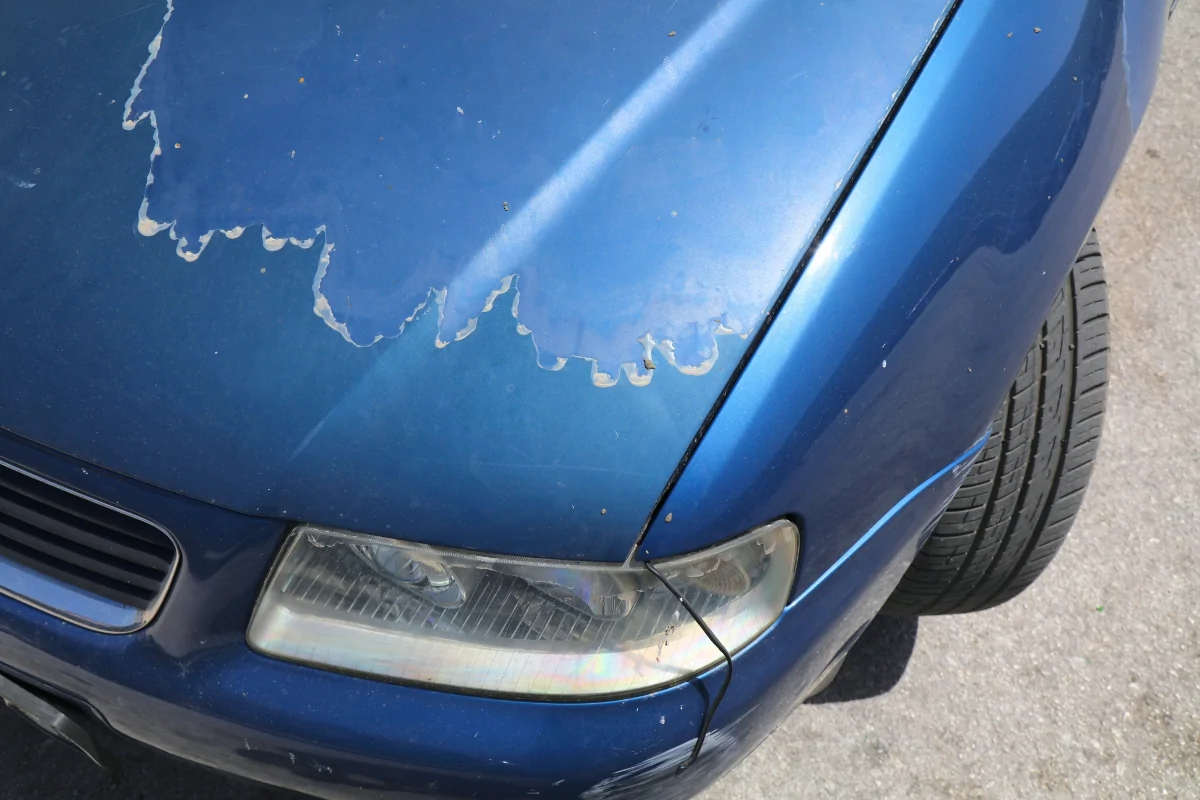
During summer, UV rays constantly hit the clear coat and paint surface. Over time, that exposure can cause fading, dullness, oxidation, and a chalky appearance. Dark-colored vehicles often show this damage more quickly because they absorb more heat and light.
The clear coat usually takes the first hit. Once it begins to break down, the paint underneath becomes more vulnerable. What starts as a slightly faded hood or roof can eventually turn into peeling clear coat, dull panels, and expensive refinishing work.
This is especially common on vehicles that spend most of their time outside in driveways, dealership lots, apartment parking areas, or open workplace lots.
How to reduce summer paint damage
Regular washing helps remove dirt, pollen, road grime, bird droppings, and other contaminants that can bake into the surface during hot weather. Wax, sealant, or ceramic coating can also add a protective layer between your paint and the sun.
Whenever possible, park in a garage, carport, covered parking structure, or shaded area. Even reducing direct sun exposure a few hours a day can help preserve your vehicle’s finish.
2. Heat Can Turn Small Windshield Chips Into Bigger Cracks
A tiny rock chip may not look urgent. In the summer, it can become a bigger problem quickly.
Glass expands and contracts as temperatures change. When your vehicle sits in direct sunlight, the windshield can become extremely hot. Then, when you get inside and blast the air conditioning, the inside surface cools rapidly while the outside remains hot.
That temperature difference creates stress in the glass. If there is already a small chip or crack, that stress can cause the damage to spread.
This is one reason summer is a bad time to ignore windshield chips. A small repair may turn into a full windshield replacement if the crack spreads too far.
What to do if you notice a chip
Have small chips inspected as soon as possible. Many minor chips can be repaired before they spread, depending on their size, depth, and location. If a chip is in the driver’s direct line of sight or has already grown into a longer crack, replacement may be needed.
For drivers in hail-prone areas, it is also smart to inspect the glass after any severe storm. Hail can leave small impact marks that are easy to miss until they begin spreading.
3. Summer Heat Can Be Hard on Your Battery
Many drivers associate dead batteries with winter, but summer heat can be just as damaging.
High temperatures can make it harder for a vehicle battery to hold a charge. AAA notes that extreme heat can interfere with a battery’s chemical processes, and batteries operate in harsh under-hood conditions where temperatures can become extremely high in hot weather.
Heat can also speed up fluid evaporation inside some batteries, increase corrosion, and shorten battery life. If your battery is already older or weak, a stretch of very hot weather may be enough to finish it off.
That is why a battery can seem fine one day and leave you stranded the next.
How to reduce battery problems
If your battery is more than three years old, have it tested before peak summer heat. Make sure the terminals are clean, the connections are tight, and the battery is secured properly. Vibration can also shorten battery life, especially if the hold-down hardware is loose or missing.
4. Tire Pressure Can Change with Summer Temperatures
Tires are easy to overlook until there is a problem. But in the summer, tire pressure deserves extra attention.
Heat causes air to expand. As temperatures rise, tire pressure can increase. At the same time, underinflated tires can generate extra heat while driving, which increases wear and the risk of tire failure.
NHTSA says proper tire pressure is one of the most important parts of tire maintenance because it affects safety, durability, and fuel consumption. NHTSA also recommends checking all tires, including the spare, at least once a month when tires are cold.
This matters even more before summer road trips, long highway drives, or heavy vehicle loads.
How to protect your tires in summer
Check tire pressure in the morning before driving, when the tires are cold. Use the recommended pressure listed on the driver-side door label or in the owner’s manual, not the number printed on the tire sidewall.
Also inspect tread depth, sidewalls, and any signs of uneven wear. Summer heat, rough roads, potholes, and construction debris can all make existing tire issues worse.
5. Your Interior Can Bake, Crack, and Fade
A vehicle’s interior can get brutally hot in summer. Direct sunlight through the windshield and windows can heat dashboards, seats, steering wheels, consoles, and trim far beyond the outdoor temperature.
Over time, this heat and UV exposure can dry out materials. Dashboards may crack. Leather can fade or stiffen. Vinyl can become sticky or brittle. Fabric can lose color. Plastic trim can warp or weaken.
This kind of damage usually starts slowly. A small crack appears. A seat looks slightly faded. The dashboard loses its original finish. Then, after another summer or two, the wear becomes much more noticeable.
How to protect the interior
Use a windshield sunshade when parking outside. Consider window tint where allowed by law. Apply UV-protective products to interior surfaces. If your vehicle has leather seats, use a conditioner recommended for automotive leather.
Covered parking helps here too. Protecting the interior from direct sun also keeps the cabin cooler and reduces strain on the AC system.
6. Your AC System Works Harder in Extreme Heat
When Texas temperatures climb, your air conditioning system has to work harder and longer.
That extra demand can expose weak parts in the system. Low refrigerant, worn belts, damaged hoses, failing fans, compressor problems, and dirty cabin filters can all become more noticeable during summer.
If the AC is blowing warm air, cooling inconsistently, making strange noises, or producing weak airflow, it is worth having it checked before the problem gets worse.
Why this matters
AC problems are not just about comfort. On extremely hot days, a properly working AC system can make driving safer and more manageable, especially for children, older adults, pets, and anyone spending long periods in traffic.
7. Hail Can Cause Thousands of Dollars in Damage in Minutes
Heat and sunlight cause gradual damage. Hail is different.
A hailstorm can damage a vehicle in just a few minutes. Dents may appear across the hood, roof, trunk, fenders, and doors. Larger hail can crack windshields, damage mirrors, break trim, and chip paint.
NOAA’s National Severe Storms Laboratory explains that hail forms when thunderstorm updrafts carry water droplets into extremely cold areas of the atmosphere, where they freeze and grow before falling once the updraft can no longer support them. Hail can damage homes, aircraft, and vehicles.
In Texas, summer storms can build quickly. A vehicle parked outside during what looks like an ordinary afternoon thunderstorm may end up with widespread hail damage before the owner has time to move it.
Why Paintless Dent Repair matters
Many hail dents can be repaired with Paintless Dent Repair, or PDR, when the paint has not been cracked or broken. Instead of sanding, filling, and repainting the panel, trained technicians carefully work the metal back into shape while preserving the original factory finish.
PDR is often one of the best options for hail damage because it can restore the appearance of the vehicle without unnecessary repainting when the damage qualifies.
8. Small Damage Can Affect Resale Value
One small dent may not feel like a big deal. A few rock chips may not seem urgent. A faded hood may be easy to ignore.
But summer-related damage can add up.
Visible hail dents, cracked glass, faded paint, damaged trim, worn interiors, and neglected maintenance can all make a vehicle look older than it is. That can hurt resale value, trade-in value, and buyer confidence.
A vehicle does not have to be totaled or heavily damaged to lose value. Sometimes it is the collection of smaller issues that makes the biggest difference.
9. Summer Storms Can Catch Drivers Off Guard
One of the biggest challenges with summer damage is how quickly conditions can change.
A morning may start clear and hot. By late afternoon, a severe storm may roll through with hail, high winds, and flying debris. Drivers may be at work, shopping, traveling, or parked outside with no covered shelter nearby.
That is why preparation matters.
Simple ways to reduce storm-related damage
Check the forecast before leaving your vehicle outside for long periods. Use weather alerts. Park under covered areas when severe weather is possible. Avoid parking under weak trees or near loose objects that could become windblown debris.
If hail does hit, inspect your vehicle as soon as it is safe. Take photos, note the storm date, check the glass, and schedule a professional inspection.
Protecting Your Vehicle During Summer
Summer vehicle protection does not have to be complicated. The goal is to stay ahead of the problems that heat, sun, and storms can create.
A simple summer checklist might include:
- Wash and protect the paint
- Repair windshield chips before they spread
- Check tire pressure monthly
- Test the battery if it is older
- Use a sunshade
- Park under cover when possible
- Pay attention to weather alerts
- Inspect the vehicle after severe storms
- Schedule hail damage repair quickly if dents appear
These small steps can help prevent bigger repair bills later.
When Summer Damage Includes Hail, US Hail Repair Can Help
Some summer damage can be prevented with maintenance and protection. Hail damage is harder to avoid, especially when storms form quickly.
If your vehicle has been damaged by hail, US Hail Repair helps connect Texas drivers with trusted partner locations for professional hail damage repair. Services may include Paintless Dent Repair, auto glass repair or replacement, hail damage inspections, and insurance coordination.
Whether your vehicle has a few small dents or widespread storm damage, the first step is a proper inspection. The sooner the damage is documented, the easier it is to understand your repair options.
Summer may be hard on your vehicle, but the right repair plan can help protect its appearance, value, and long-term condition.
FAQ: Summer Vehicle Damage
Can summer heat really damage my vehicle?
Yes. Extreme heat can affect batteries, tires, glass, paint, interiors, and AC systems. Some damage happens gradually, while other problems can appear suddenly.
Can a windshield chip spread because of heat?
Yes. Heat and rapid temperature changes can stress the glass and cause existing chips or cracks to spread.
Does hail damage always require repainting?
No. If the paint is still intact, many hail dents may qualify for Paintless Dent Repair.
Should I repair hail damage before selling my vehicle?
In most cases, yes. Visible hail damage can reduce trade-in and resale value.
How often should I check tire pressure in summer?
NHTSA recommends checking tire pressure at least once a month, including the spare, when the tires are cold.
What should I do after a summer hailstorm?
Inspect the vehicle, take photos, check the windshield and windows, note the storm date, and schedule a professional hail damage inspection.