

Key Takeaways
- Texas continues to rank among the top states for major hail events, making hail damage a recurring risk for vehicle owners.
- Hail-related losses are increasing because more vehicles, homes, businesses, and dealership lots are exposed in storm-prone areas.
- Hail damage is not always cosmetic. Dents, chipped paint, cracked glass, and delayed repairs can affect value, safety, and future claims.
- Paintless Dent Repair is often an effective option for hail damage when the vehicle’s original paint has not been cracked or broken.
- Drivers should use covered parking when possible, watch severe weather alerts, inspect their vehicle after storms, and document damage quickly.
- US Hail Repair helps connect Texas drivers with trusted partner locations for hail repair, PDR, auto glass services, and insurance coordination.
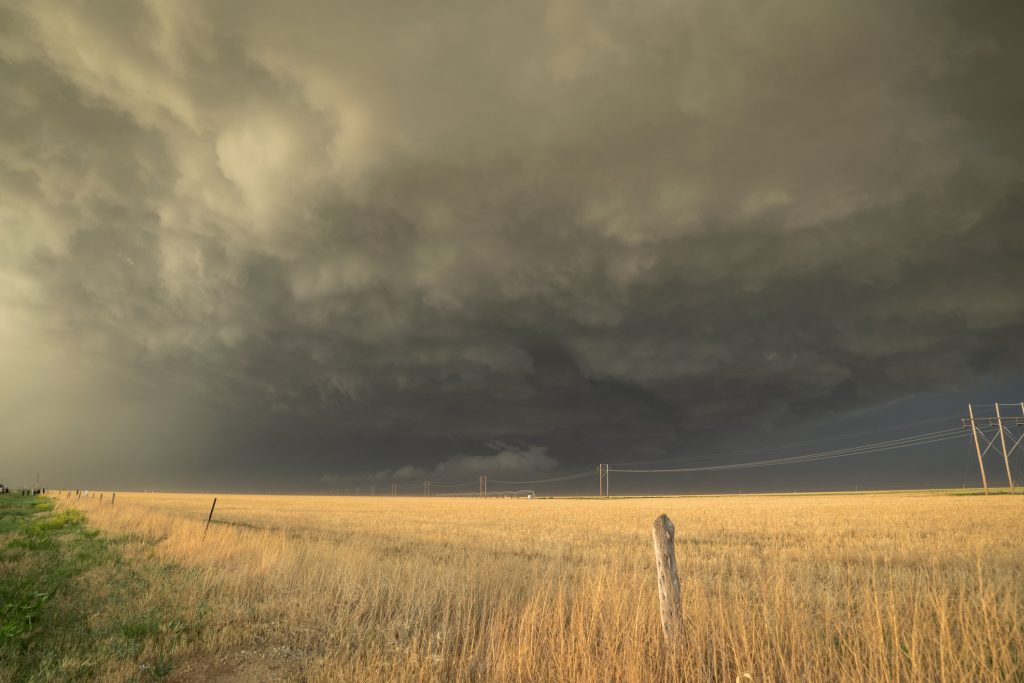
Texas drivers know severe weather can change fast. A clear afternoon can turn into a dark, loud, fast-moving storm before you have time to move your vehicle. In a matter of minutes, hail can leave behind dents across the hood, roof, trunk, and side panels. Larger hail can crack windshields, chip paint, break trim, and cause thousands of dollars in damage.
For many Texans, hail damage is no longer a rare inconvenience. It has become a regular part of spring and summer storm season.
Texas continues to rank among the top states for hail activity. The Insurance Information Institute reported that NOAA’s Storm Prediction Center recorded 5,432 hail events nationwide in 2025, with Texas ranking number one for major hail events at 902 reports of hailstones one inch or larger.
That matters because hail does not have to be softball-sized to damage a vehicle. NOAA’s National Severe Storms Laboratory explains that hail forms inside thunderstorm updrafts when water droplets are carried into freezing parts of the atmosphere, grow into ice, and eventually fall once the updraft can no longer support their weight. Hail can damage vehicles, homes, aircraft, crops, and livestock.
So the real question is not whether Texas will see more hail.
The question is: when the next storm hits, is your vehicle ready?
Why Texas Hail Damage Has Become So Costly
Texas has always had the ingredients for severe thunderstorms. Warm, humid air from the Gulf of Mexico often meets cooler, drier air from the west or north. When those air masses collide, the atmosphere can become unstable. Add strong updrafts, wind shear, and enough moisture, and storms can become powerful enough to produce damaging hail.
But the cost of hail damage is not only about weather.
Several factors make today’s hailstorms more financially damaging than storms from decades past.
More Vehicles Are in the Path of Storms
A hailstorm that once moved across open land may now pass over neighborhoods, highways, shopping centers, apartment complexes, dealership lots, and business districts.
Texas has grown rapidly, and that growth means more vehicles are exposed when storms move through populated areas. A single storm over a dense metro area can affect thousands of parked vehicles in minutes.
This is one reason hail losses can climb so quickly. The storm itself may only last a short time, but the damage path can include homes, businesses, dealerships, fleets, and commuter parking lots.
Severe Convective Storms Are a Major Loss Driver
Hail is part of a broader category called severe convective storms, which includes thunderstorms with hail, tornadoes, damaging straight-line winds, and heavy rain.
The Insurance Information Institute has described severe convective storms as a major driver of U.S. property insurance costs, and recent industry analysis found that hail accounts for a large share of severe convective storm claims in many years.
Even when hurricanes and wildfires get more national attention, hailstorms can quietly create massive losses across the country. Unlike one major hurricane, hail can create repeated damage across many different regions throughout the year.
For vehicle owners, that means hail risk is not just a home insurance issue. It is also an auto repair, resale value, and claims issue.
Texas Is Especially Exposed
Texas is large, storm-prone, and heavily populated. Areas such as Dallas-Fort Worth, Austin, San Antonio, Waco, Sherman, McKinney, Fort Worth, Weatherford, and surrounding communities can all experience damaging hail.
Some storms produce small hail that causes little or no damage. Others produce large hail capable of denting panels, cracking glass, and damaging trim.
NOAA notes that severe thunderstorms are capable of producing hail one inch or larger. At that size, hail can already become a threat to exposed vehicles, especially when combined with strong winds.
The Hidden Risks of Hail Damage
A few dents may not seem urgent at first. If the vehicle still drives normally, it is easy to think the damage is only cosmetic.
But hail damage can create several problems if ignored.
Reduced Resale or Trade-In Value
Visible hail dents can make a vehicle look older, poorly maintained, or previously damaged. Even if the vehicle runs perfectly, buyers and dealerships may reduce their offers when panels are covered in dents.
This can be especially frustrating for owners who plan to trade in their vehicle, sell it privately, or return a leased vehicle.
Paint Damage and Rust Risk
Many hail dents do not break the paint. When that is the case, Paintless Dent Repair may be a strong option.
But if hail chips or cracks the paint, the exposed area can become more vulnerable to moisture. Over time, that may lead to corrosion, especially if the damage is left untreated.
Glass Damage Can Spread
Hail can chip or crack windshields, sunroofs, and other automotive glass. A small chip may look minor at first, but heat, vibration, and temperature changes can cause the damage to spread.
In Texas, summer heat can make this worse. A vehicle sitting in direct sunlight can become extremely hot, and blasting cold air conditioning against already-stressed glass may increase the chance of a chip spreading into a larger crack.
Insurance Complications
Waiting too long can also make the claims process more confusing.
After a storm, it is helpful to document the damage, take photos, and note the date of the weather event. If multiple storms happen before repairs are made, it may become harder to separate old damage from new damage.
That does not mean every small dent requires an immediate claim, but it does mean vehicle owners should at least get the damage inspected and documented.
How to Protect Your Vehicle Before a Hailstorm
You cannot stop hail from falling, but you can reduce the chance of major damage.
Watch the Forecast During Spring and Summer
Texas hail risk is especially high during spring and early summer, but storms can happen outside that window too. Pay attention to local weather alerts, especially when severe thunderstorms are possible.
NOAA weather alerts, local meteorologists, and reliable weather apps can give you enough warning to move your vehicle before a storm reaches your area.
Use Covered Parking When Possible
The best protection is a garage, carport, parking deck, or covered structure. If severe weather is expected, moving your vehicle under cover ahead of time can prevent major damage.
This is especially important if your vehicle normally sits in a driveway, apartment lot, workplace parking area, dealership lot, or open commercial lot.
Consider a Quality Hail Cover
If covered parking is not available, a padded hail cover may help reduce damage from smaller hail. It may not protect against every storm, especially very large hail or high winds, but it can provide an extra layer of protection.
Avoid Parking Under Weak Trees
Trees may offer shade, but they are not always safe during severe storms. High winds can break branches or send debris onto your vehicle. If hail is possible, covered parking is better than parking under a tree.
What to Do During a Hailstorm
If you are already driving when hail begins, focus on safety first.
Reduce speed, turn on your lights, and avoid sudden braking. If visibility becomes poor, pull off the road only when it is safe to do so. Choose a safe location away from moving traffic.
Do not stop in a travel lane. Do not block traffic. Avoid trying to race the storm.
If you can safely reach a gas station canopy, parking garage, or covered structure before the hail arrives, that may help protect your vehicle. But once the storm is active, your safety matters more than the vehicle.
What to Do After a Hailstorm
Once the storm has passed and it is safe to inspect your vehicle, take a few simple steps.
1. Look Over the Vehicle in Good Lighting
Hail dents can be hard to see in flat light. Check the hood, roof, trunk, fenders, doors, mirrors, and upper body panels from different angles.
2. Check the Glass
Look closely at the windshield, rear glass, sunroof, and side windows. Small chips or star-shaped cracks can be easy to miss.
3. Take Photos
Take clear photos of dents, cracked glass, chipped paint, and any other visible damage. Also note the date and location of the storm.
4. Avoid DIY Dent Repair
Online dent-pulling tricks can make damage worse, especially on modern vehicle panels. Heat, suction cups, glue tabs, and pushing from the wrong angle can stretch metal, damage paint, or complicate professional repairs.
5. Schedule a Professional Inspection
A hail repair specialist can identify damage that may not be obvious right away. This is especially important for roof dents, rail damage, body line dents, and glass impacts.
Why Paintless Dent Repair Is Often the Best Choice for Hail Damage
Paintless Dent Repair, often called PDR, is one of the most effective repair methods for qualifying hail damage.
Instead of sanding, filling, and repainting the damaged area, trained technicians carefully work the dented metal back into shape from behind the panel or with specialized exterior tools.
When the paint is still intact, PDR can offer several advantages.
It Preserves the Factory Finish
Your vehicle’s original paint is difficult to duplicate perfectly. PDR helps preserve that factory finish whenever possible.
It Can Be Faster Than Traditional Repairs
Because PDR does not usually require repainting, curing, or blending paint across panels, the process may be faster than traditional body repair for many hail-damaged vehicles.
It Can Help Maintain Vehicle Value
A properly repaired vehicle with the original paint intact may be more appealing than one with visible dents or unnecessary repainting.
It Is Often Preferred for Hail Claims
Because PDR can be efficient and less invasive when the damage qualifies, it is commonly used for hail repair through insurance claims.
However, not all hail damage qualifies for PDR. If the paint is cracked, the dent is too sharp, the metal is stretched, or the damage is located in a difficult area, additional repair methods may be needed.
Be Careful After Major Storms
After a large hailstorm, many repair companies may appear quickly in affected areas. Some are legitimate. Others are temporary “storm chasers” that leave town after the work dries up.
That can create problems if you need warranty support, follow-up repairs, insurance documentation, or help later.
Before choosing a hail repair provider, ask questions:
- Do they work with established local partners?
- Do they have experience with insurance claims?
- Are the technicians trained in Paintless Dent Repair?
- Is the repair backed by a warranty?
- Will someone be available if you need help after the repair?
Choosing the right repair team matters almost as much as choosing the right repair method.
Why Choose US Hail Repair
US Hail Repair helps Texas drivers connect with trusted partner locations for professional hail damage repair. Instead of leaving vehicle owners to sort through pop-up repair options after a storm, US Hail Repair works through a network of established partners across Texas.
Depending on the damage and location, services may include:
- Paintless Dent Repair
- Hail damage inspections
- Auto glass repair or replacement
- Insurance coordination
- Dealership and fleet hail repair support
From Austin and Fort Worth to McKinney, Weatherford, Sherman, Irving, and other Texas communities, US Hail Repair helps make the post-storm process easier for drivers who need reliable repair options.
Is Your Vehicle Ready for the Next Texas Hailstorm?
In Texas, hail damage is not something drivers can afford to ignore.
The storms are unpredictable. The damage can happen quickly. The repair costs can add up. And the longer you wait after a storm, the more complicated the process may become.
The best time to prepare is before the sky turns dark.
Park under cover when you can. Watch weather alerts. Know your insurance coverage. Inspect your vehicle after storms. And if hail damage appears, schedule a professional inspection as soon as possible.
Texas weather may be unpredictable, but your response does not have to be.
When hail hits, US Hail Repair is here to help you take the next step.
FAQ: Texas Hailstorms and Vehicle Damage
Are hailstorms really getting worse in Texas?
The safer way to say it is that hail risk and hail-related losses are becoming harder to ignore. Texas continues to rank among the top states for major hail events, and more vehicles, homes, and businesses are now exposed in storm-prone areas.
What size hail can damage a vehicle?
Hail around one inch in diameter can damage vehicles, especially when combined with strong winds. Larger hail can cause more severe dents, cracked glass, chipped paint, and broken trim. NOAA classifies severe thunderstorms as capable of producing hail one inch or larger.
Does all hail damage need repainting?
No. If the paint is still intact, many hail dents may qualify for Paintless Dent Repair. PDR can restore dents without sanding, fillers, or repainting in many cases.
Should I file an insurance claim for hail damage?
That depends on the severity of the damage, your deductible, and your insurance coverage. It is usually smart to document the damage, get a professional inspection, and review your policy before deciding.
How soon should I repair hail damage?
It is best to have the damage inspected quickly. Waiting can make it harder to document the storm date, separate old damage from new damage, and prevent small glass chips or paint damage from getting worse.