
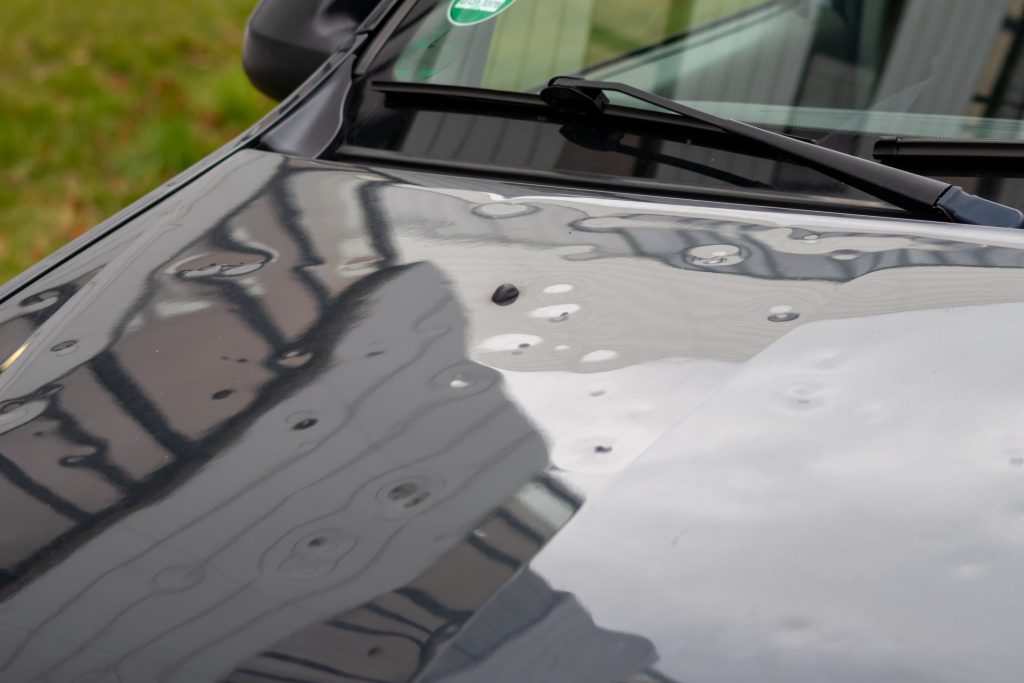

There’s a moment after every hailstorm where people walk outside, look at their vehicle, and think:
“Is this bad enough to deal with… or should I just leave it?”
It’s a fair question—and honestly, one a lot of drivers get wrong.
Some people file claims too quickly and regret it later. Others wait too long, miss their window, or underestimate the damage entirely. The truth is, deciding whether to file an insurance claim for hail damage isn’t always straightforward—but it doesn’t have to be confusing either.
Let’s walk through what actually matters so you can make the right call for your situation.
The First Question Most Drivers Ask After a Storm
Right after a hailstorm, most people aren’t thinking about repair methods or long-term value. They’re thinking:
- Will my insurance go up?
- Is this even worth fixing?
- How bad is it, really?
And here’s the tricky part—hail damage isn’t always obvious.
A vehicle might look “fine” at a glance, but under the right lighting, you could find dozens (or even hundreds) of small dents across the hood, roof, and panels. What seems minor can add up quickly.
That’s why the decision to file a claim shouldn’t be based on a quick visual check alone.
What Insurance Typically Covers (and What It Doesn’t)
In most cases, hail damage falls under comprehensive coverage—not collision.
That means if you have the right coverage, your policy may help pay for repairs after you meet your deductible.
Here’s the simple version:
- Covered: Hail damage, storm-related dents, and environmental damage
- Not covered: Anything outside your policy terms or below your deductible
The biggest factor? Your deductible.
If your deductible is $1,000 and repairs cost $1,200, the benefit of filing a claim may be minimal. But if repairs are $4,000 or more, that’s a very different situation.
👉 Important note: Insurance policies vary, and this article is for general informational purposes only. Always check your specific policy or speak with your provider for details about your coverage.
When Filing a Claim Makes Sense
There are some situations where filing a claim is clearly the right move.
1. Damage Across Multiple Panels
If dents are spread across the hood, roof, trunk, or doors, repair costs can climb quickly—even if each dent is small.
2. Moderate to Severe Hail Impact
Larger dents or heavy storm damage almost always justify a claim.
3. You Plan to Sell or Trade In Your Vehicle
Hail damage can significantly reduce resale value. Even minor dents can be flagged during inspection.
4. You Have a Lease or Loan
If your vehicle is financed or leased, you may be required to repair damage to maintain compliance with your agreement.
When It Might NOT Make Sense
Not every situation requires an insurance claim.
1. Very Minor Damage
A couple of small dents that are barely noticeable may not justify going through the claims process—especially with a high deductible.
2. Repair Cost Is Close to Your Deductible
If the numbers don’t work in your favor, paying out of pocket might be simpler.
3. Older Vehicles
If your vehicle already has wear and tear, you may decide the cosmetic repair isn’t worth it.
That said, even in these cases, it’s still smart to get a professional opinion before deciding.
The Hidden Risk of Waiting Too Long
This is one of the biggest mistakes drivers make.
Hail damage doesn’t always feel urgent—but waiting can create problems:
- Insurance claims often have time limits
- Damage can worsen or become harder to document
- You may lose leverage if repairs are delayed too long
What feels like “I’ll deal with it later” can quietly turn into “I wish I had handled this sooner.”
Why a Professional Inspection Comes First
Here’s something most people don’t realize:
👉 Not all hail damage is visible right away.
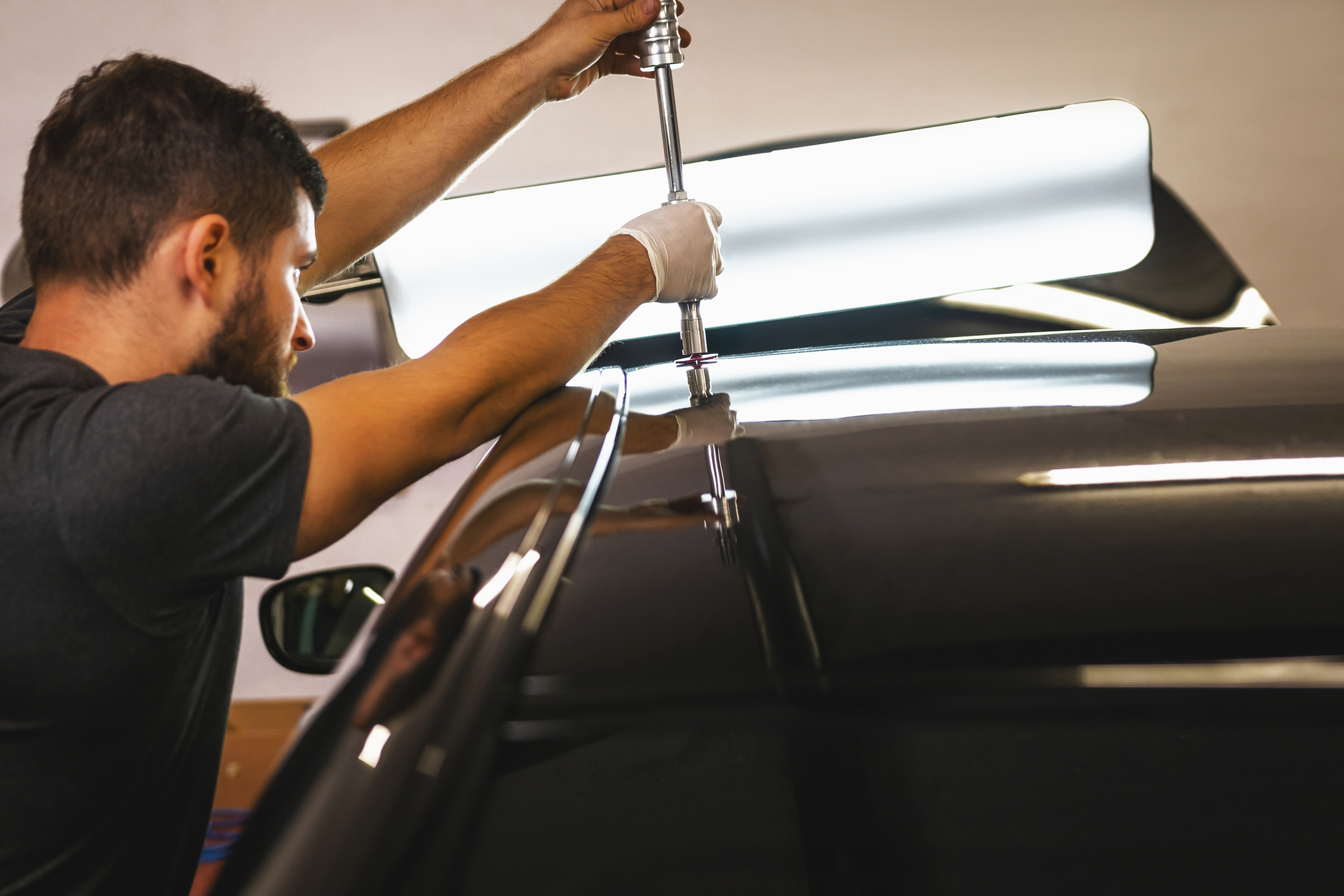
Trained technicians use specialized lighting and tools to detect dents that the average person would never notice.
A proper inspection gives you:
- A clear understanding of damage severity
- A realistic repair estimate
- The information you need to decide whether filing a claim makes sense
It’s not about committing to repairs—it’s about making an informed decision.
Common Mistakes That Cost Drivers Thousands
These happen more often than you’d think:
1. Assuming the Damage Is “Not That Bad”
Surface-level checks miss a lot.
2. Waiting Too Long to Act
Deadlines and documentation matter more than most people realize.
3. Accepting the First Estimate Without Question
Not all estimates account for full damage—especially with hail.
4. Not Understanding Repair Methods
There’s a big difference between:
- Paintless Dent Repair (PDR)
- Traditional bodywork
Choosing the wrong approach can affect both cost and outcome.
So… Should You File a Claim?
The honest answer?
👉 It depends—but you shouldn’t guess.
The smartest move is to:
- Get a professional inspection
- Understand the full scope of damage
- Compare repair cost vs deductible
- Then decide with confidence
No pressure. No assumptions. Just clear information.
Should I File a Claim?
A quick guide to help you decide what to do after hail damage.
| Situation | Recommended Action |
|---|---|
| Minor dents and your deductible is high | It may not make sense to file a claim. Start with an inspection and compare repair cost to your deductible. |
| Damage appears on multiple panels like the hood, roof, trunk, or doors | Filing a claim is often the smarter move, since repair costs can add up quickly. |
| Severe or widespread hail damage after a major storm | You should strongly consider filing a claim and getting the vehicle professionally evaluated as soon as possible. |
| Your vehicle is leased or still being financed | Filing a claim is usually recommended, since you may be required to repair the damage. |
| You are not sure how bad the damage really is | Get a professional hail damage inspection first before deciding whether to file. |
Final Thoughts
Hail damage has a way of sneaking up on people—not just during the storm, but in the decisions that follow.
Filing an insurance claim can absolutely be the right move… but only when it makes sense for your situation.
If there’s one takeaway here, it’s this:
👉 Don’t make the decision based on what you think you see—make it based on what’s actually there.
A proper inspection gives you that clarity—and once you have it, the next step becomes a whole lot easier.
Key Takeaways
- Hail damage isn’t always obvious. What looks minor can include dozens of dents that impact repair cost and vehicle value.
- Insurance claims depend on your deductible and damage severity. Larger repairs typically justify filing, while minor damage may not.
- Waiting too long can create problems. Claim deadlines and documentation requirements can limit your options if you delay.
- A professional inspection should come first. Accurate damage assessment is the key to making the right financial decision.
- Understanding your repair options matters. Choosing the right method, like Paintless Dent Repair, can save time and preserve your vehicle’s finish.