
Key Takeaways
- Modern vehicles increasingly use aluminum panels to reduce weight and improve fuel efficiency, but this material behaves very differently from traditional steel when damaged by hail.
- Aluminum dents more easily and lacks the “memory” of steel, meaning even shallow dents can involve stretched metal that requires specialized repair techniques.
- Paintless Dent Repair (PDR) is often ideal for aluminum hail damage because it preserves the factory finish, maintains structural integrity, and avoids fillers or repainting when conditions allow.
- Ignoring aluminum hail damage can lead to paint failure, reduced resale value, and lease return penalties, making early inspection and proper repair especially important.
Modern vehicles aren’t built the way they used to be. If you’ve owned trucks or cars over the past decade, you’ve probably noticed manufacturers talking more about lightweight materials, fuel efficiency, and advanced engineering. One of the biggest changes behind the scenes is the widespread use of aluminum body panels.
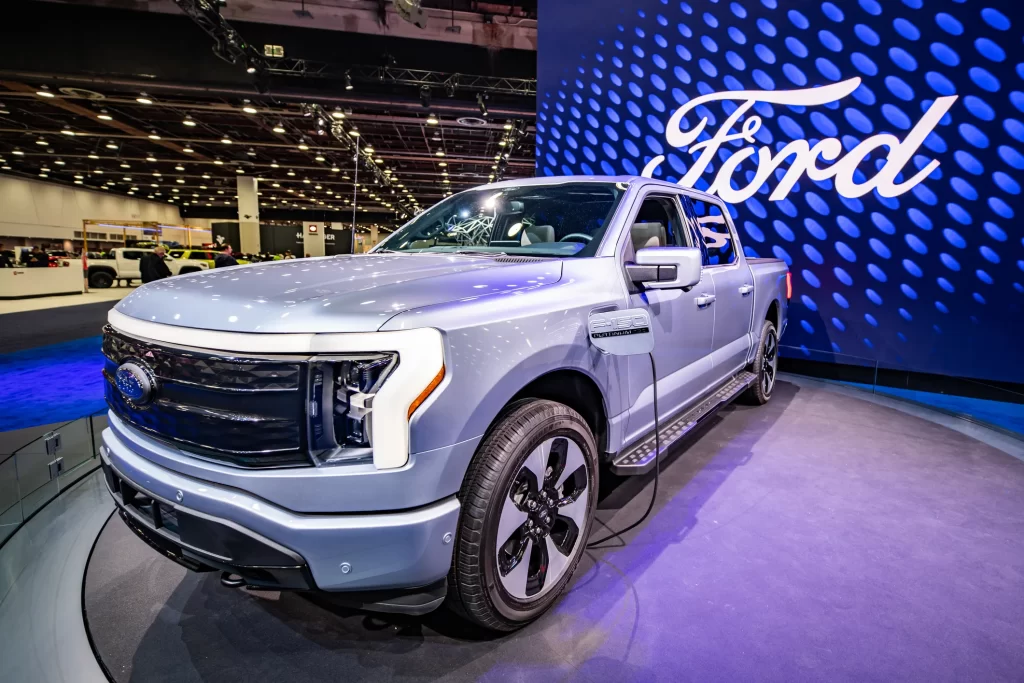
From Ford’s best-selling F-150 to Teslas, luxury SUVs, and many electric vehicles, aluminum is now a key part of vehicle design. It helps improve performance and efficiency — but when a hailstorm rolls through, aluminum doesn’t behave the same way as traditional steel.
What looks like “just a dent” on an aluminum panel can require a very different repair approach.
Why Automakers Are Using Aluminum More Than Ever
Weight Reduction & Fuel Efficiency
One of the biggest reasons manufacturers switched to aluminum is simple: weight matters. Aluminum is significantly lighter than steel, which helps improve fuel economy and extend the range of electric vehicles. Even a few hundred pounds saved can make a noticeable difference in performance and efficiency.
Strength Without Added Bulk
Despite being lighter, aluminum is still strong. Engineers use it to maintain structural integrity while reducing overall vehicle weight. This balance is especially important in trucks, SUVs, and EVs that need both durability and efficiency.
Corrosion Resistance
Aluminum naturally resists rust, making it a great choice for vehicles exposed to rain, humidity, road salt, and harsh weather — including the hail-prone regions of Texas.
The takeaway: Aluminum offers real benefits, but it also introduces new complexities when repairs are needed.
How Aluminum Reacts to Hail Differently Than Steel
Less “Memory” Than Steel
Steel has what technicians call “memory.” When dented, it often wants to return to its original shape. Aluminum doesn’t behave the same way. Once it’s stretched by hail impact, it tends to stay that way.
Easier to Stretch, Harder to Restore
Aluminum panels can stretch more easily under impact. That means dents may look shallow but are actually more difficult to repair because the metal has been permanently deformed.
Increased Risk of Paint Stress
Hail impacts can create micro-fractures in the paint on aluminum panels. These tiny cracks may not be visible right away but can lead to peeling, moisture intrusion, or corrosion over time.
Why Aluminum Hail Damage Requires Specialized Repair
Different Tools & Techniques
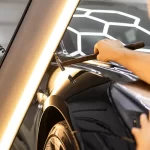
Repairing aluminum requires specialized tools and techniques designed for its unique properties. Technicians often use controlled pressure, precision lighting, and sometimes heat to carefully reshape the metal without causing further damage.
Technician Training Matters
Not every shop is equipped to repair aluminum properly. The techniques differ enough from steel repair that specialized training and experience are essential to achieving quality results.
Risk of Overworking the Panel
Aluminum can become weakened or distorted if it’s overworked during repair. Skilled technicians know how to restore the panel while preserving its structural integrity and appearance.
Common Vehicles with Aluminum Panels
Many drivers are surprised to learn their vehicle contains aluminum components. Some of the most common examples include:
- Ford F-150 and Super Duty trucks
- Tesla models
- Audi and BMW luxury vehicles
- Modern SUVs and electric vehicles
If you drive a newer model, there’s a good chance aluminum is part of its construction.
Signs Your Aluminum Panels Need Professional Inspection
After a hailstorm, some damage isn’t immediately obvious. Watch for:
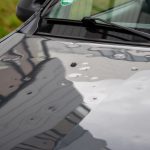
- Dents that look shallow but feel sharp to the touch
- Distorted reflections or “waviness” in the panel
- Subtle changes in body lines
- Paint stress or faint cracking
Even minor signs can indicate deeper panel stretching that requires professional evaluation.
Why Paintless Dent Repair Is Often Ideal for Aluminum
When conditions allow, Paintless Dent Repair (PDR) is often the preferred method for aluminum hail damage.
Preserves the Factory Finish
PDR maintains the original paint, which helps protect your vehicle’s value and appearance.
Maintains Structural Integrity
By carefully reshaping the metal rather than sanding or filling, PDR preserves the strength of the panel.
Avoids Fillers & Repainting
Traditional body work can introduce fillers and repainting, which may affect resale value and long-term durability.
Faster Turnaround
Because it avoids extensive refinishing, PDR is often quicker than conventional repairs.
It’s important to note that not all dents qualify for PDR, but when aluminum panels can be repaired this way, the results are both efficient and long-lasting.
What Happens If Aluminum Hail Damage Is Ignored?
It’s tempting to ignore minor dents, especially if they seem cosmetic. However, untreated aluminum damage can lead to:
- Paint failure over time
- Reduced resale or trade-in value
- Lease return penalties
- Moisture intrusion through compromised paint
Addressing damage early can prevent small issues from becoming costly problems.
Choosing the Right Repair Partner for Aluminum Vehicles
Because aluminum repair requires specialized knowledge and tools, choosing the right repair provider matters.
Look for:
- Experience with aluminum panel repair
- Proper lighting and precision tools
- Dealership partnerships and standards
- Familiarity with insurance processes
A qualified repair partner can ensure your vehicle is restored correctly, protecting both its appearance and long-term value.
Modern Materials Require Modern Repair Expertise
Aluminum panels are here to stay. They make vehicles lighter, more efficient, and more resistant to corrosion — but they also require a more advanced approach to hail damage repair.
What may appear to be minor dents can involve stretched metal, paint stress, and hidden issues that only trained professionals can properly assess and repair.
If your vehicle has aluminum panels and recently experienced hail, a professional inspection can help you understand your options and protect your vehicle’s value for the road ahead.