

When a hailstorm passes and the sun comes back out, it is easy to believe the worst is over. Maybe your vehicle still drives fine. Maybe the dents are small. Maybe you tell yourself you will deal with it later.
What most drivers do not realize is that hail damage does not simply fade away with time. Even when the damage looks minor, it can leave behind a lasting record that follows your vehicle for years. That record can influence resale value, trade-in offers, insurance decisions, and buyer confidence long after the storm is forgotten.
Hail damage creates both a physical footprint and a digital one. Understanding how those two things work together is key to protecting your vehicle’s long-term value.
Why Hail Damage Is More Than a Cosmetic Issue
Hail damage is often described as cosmetic, but that label can be misleading. While many hail dents do not affect drivability, they do affect the vehicle in ways that are not always obvious at first glance.
When hail strikes a vehicle, it stretches the metal in body panels. Even small dents change the tension of the panel surface. At the same time, the clearcoat and paint layers can develop microfractures that are invisible without close inspection. These tiny disruptions create entry points for moisture and contaminants over time.
In other words, what looks like a surface issue often goes deeper. More importantly, once damage is documented, it becomes part of the vehicle’s history whether the damage is repaired immediately or not.
The Paper Trail: How Hail Damage Gets Recorded
One of the biggest misconceptions about hail damage is that it only matters if repairs are performed. In reality, the paper trail often begins long before any repair work starts.
Once a hail claim is filed, insurance companies generate estimates, inspection reports, and claim records. Those records are shared across internal databases and, in many cases, with third-party vehicle history services.
Even if a driver delays repairs or decides to wait, the claim itself can still be associated with the vehicle’s identification number. From that point forward, the vehicle may carry a hail-related event in its background.
This is why a vehicle can show signs of hail history even if the owner believes they never officially “fixed” anything.
What Shows Up on Vehicle History Reports (and What Does Not)
Vehicle history reports play a major role in how cars are evaluated by buyers and dealers, but they do not tell the whole story.
A history report may show that a hail damage claim occurred. It may list the date, location, or type of event. What it typically does not show is how well the damage was repaired or what repair method was used.
A vehicle that received high-quality, non-invasive repairs can look the same on paper as a vehicle that was repaired poorly or not repaired at all. This is where perception comes into play. When buyers or dealers see hail damage on a report, they often assume risk unless there is clear documentation showing otherwise.
The Trade-In Reality: How Dealers Evaluate Hail History
Dealerships approach hail history conservatively. Even when damage has been repaired, a hail notation can trigger lower trade-in offers.
One reason is uncertainty. Dealers do not always know how invasive the repairs were or whether original paint was preserved. Another factor is resale risk. Vehicles with hail history can be harder to sell, even if the condition is excellent.
When hail damage is left unrepaired, the impact is even greater. Visible dents, uneven reflections, or paint irregularities can lead to immediate deductions during appraisal. In some cases, a dealer may require repairs before resale, and that projected cost is factored directly into the trade-in value.
Private Sale vs. Trade-In: What Buyers Actually Care About
Private buyers often approach hail history with even more caution than dealers. Unlike professionals, they may not fully understand what hail damage means, but they know enough to worry about it.
Common questions include whether the vehicle was involved in a major event, whether rust could develop later, or whether the damage could affect long-term durability. Even when dents are subtle, uncertainty can slow negotiations or reduce offers.
Clear documentation and quality repairs matter in private sales. A vehicle that looks clean, shows preserved original paint, and has records supporting professional repair is far easier to sell than one that simply “looks okay.”
Insurance Implications Most Drivers Do Not Consider
Insurance considerations do not end after a hail claim is closed. Unrepaired or partially repaired damage can complicate future claims in ways many drivers do not anticipate.
If a vehicle experiences another incident later, insurers may distinguish between new damage and pre-existing hail damage. This can affect claim approvals, repair scopes, or settlement amounts.
Documentation plays a critical role here. Vehicles with clear records showing that hail damage was professionally addressed are easier to evaluate fairly than those with unresolved damage lingering in the background.
Why the Type of Repair Matters More Than Most People Realize
Not all hail repairs are equal, and the method used can influence a vehicle’s future more than most drivers realize.
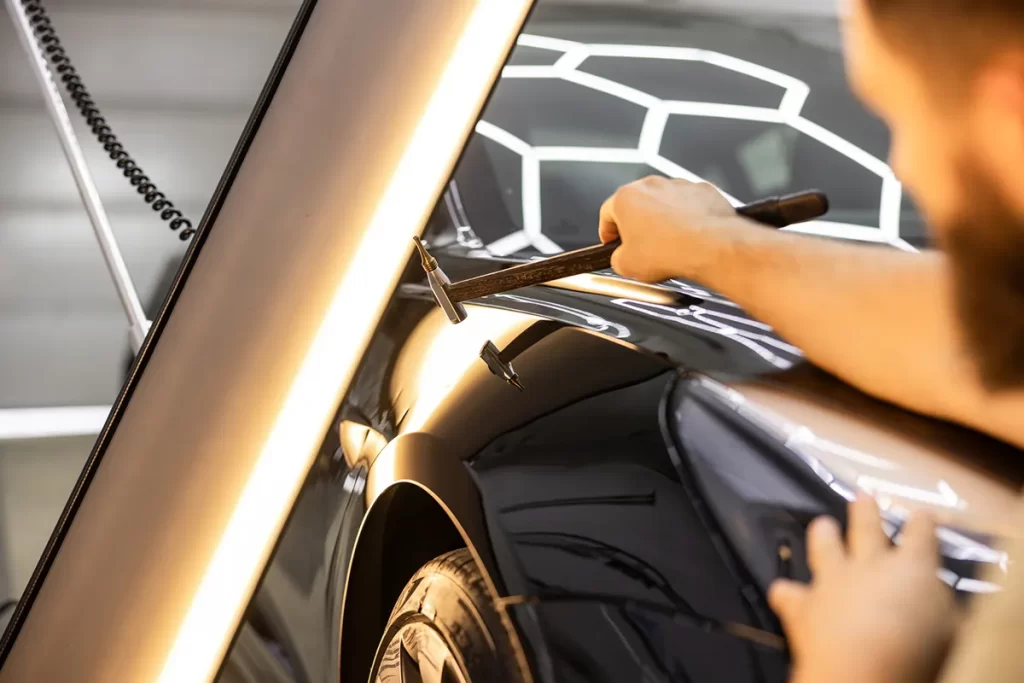
Paintless Dent Repair, when performed correctly, restores the metal without altering factory paint. This matters because original paint provides the strongest corrosion protection and carries more trust with buyers and dealers.
More invasive repairs, such as filler and repainting, can raise concerns later. Repainted panels may age differently, appear on inspection tools, or prompt additional scrutiny during resale.
Choosing a repair method that preserves original materials helps protect both appearance and long-term value.
The Long-Term Cost of Waiting It Out
Delaying hail repairs often feels harmless, but time works against the vehicle. Metal that remains stretched becomes harder to restore. Environmental exposure increases the risk of corrosion beneath damaged clearcoat. Seasonal heat and moisture accelerate wear.
Waiting can also limit repair options. Damage that could have been addressed cleanly early on may require more invasive work later. From a value standpoint, unresolved hail damage tends to compound rather than disappear.
How to Protect Your Vehicle’s Value After a Hailstorm
Protecting your vehicle after hail damage does not require rushing into decisions. It does require being informed.
Start by documenting damage early, even if it seems minor. Seek a professional evaluation to understand the full scope of impact. Learn the differences between repair methods and ask questions about paint preservation and long-term durability.
Keep records of inspections and repairs. These documents matter when selling, trading in, or filing future claims. Informed choices today create flexibility tomorrow.
What You Don’t See Today Can Cost You Tomorrow
Hail damage is easy to underestimate because its effects are not always immediate. But vehicles carry their history with them, both in metal and in records.
A storm may last only minutes, but its impact can influence value, trust, and insurance outcomes for years. Addressing hail damage thoughtfully is not about aesthetics alone. It is about protecting options, preserving value, and ensuring that your vehicle’s past does not quietly work against its future.